
Last updated November 16, 2026
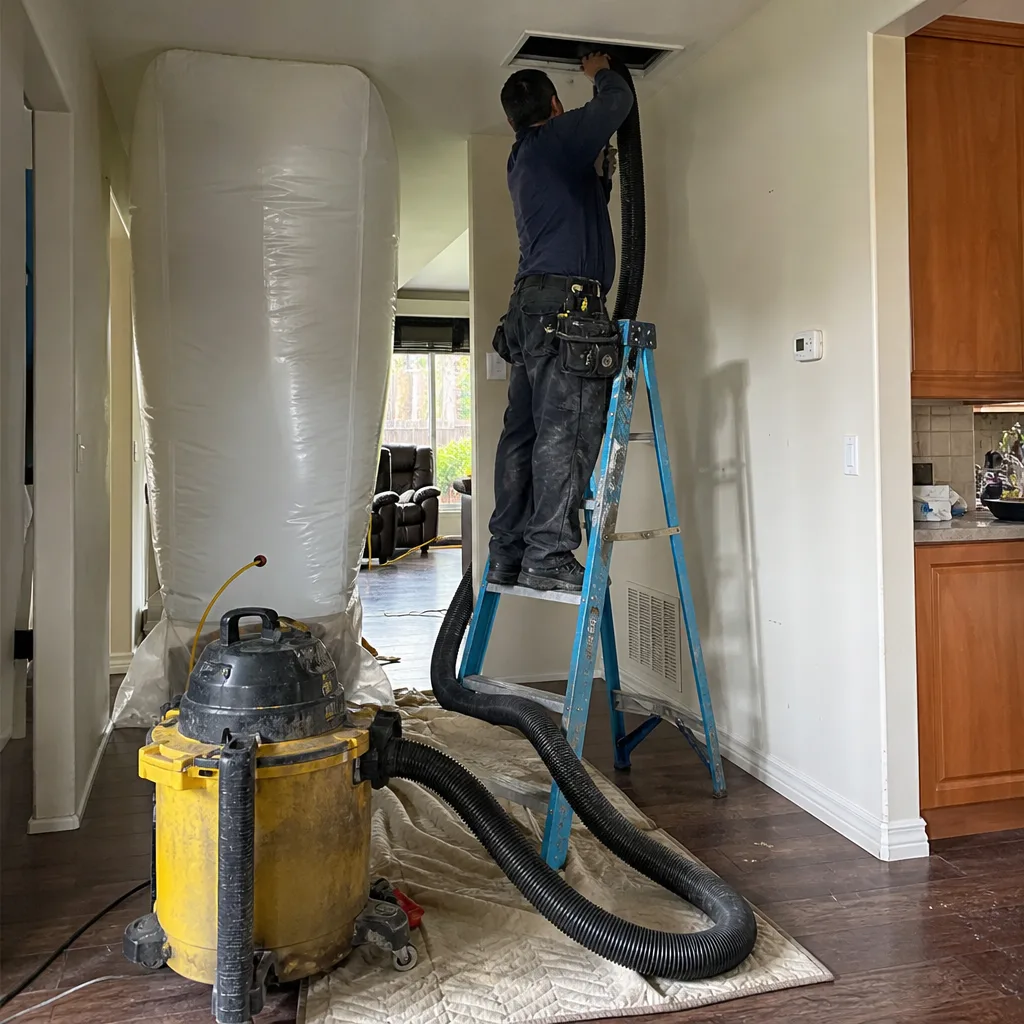
 Whole-home duct cleaning
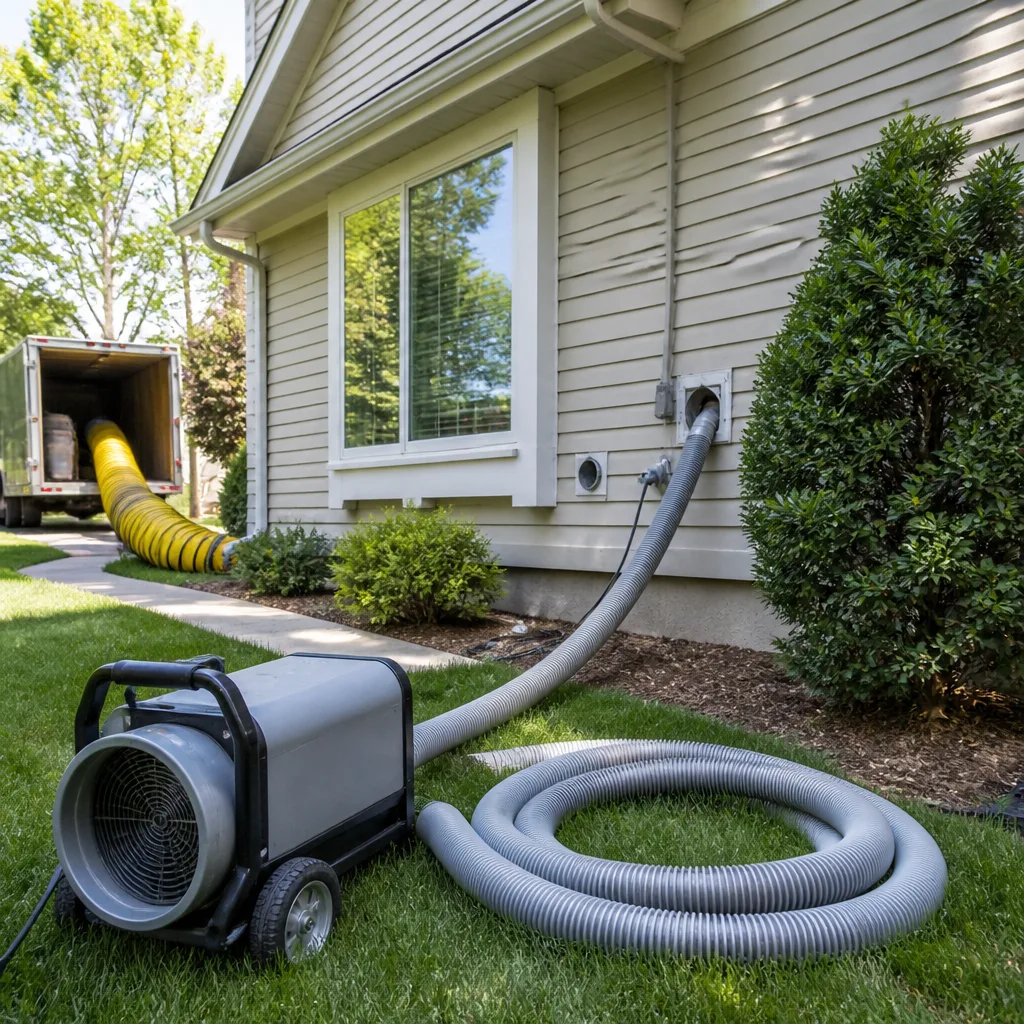
 Dryer vent cleaning
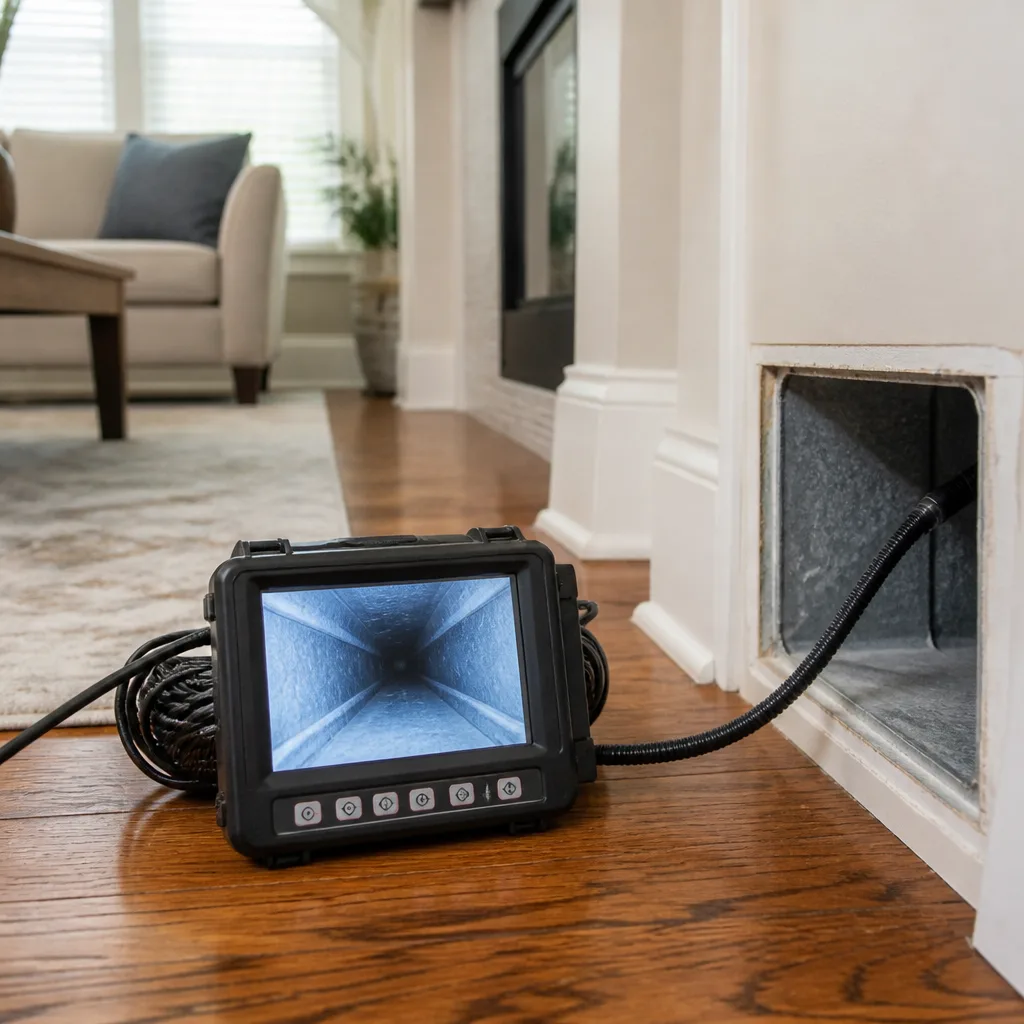 Camera inspection
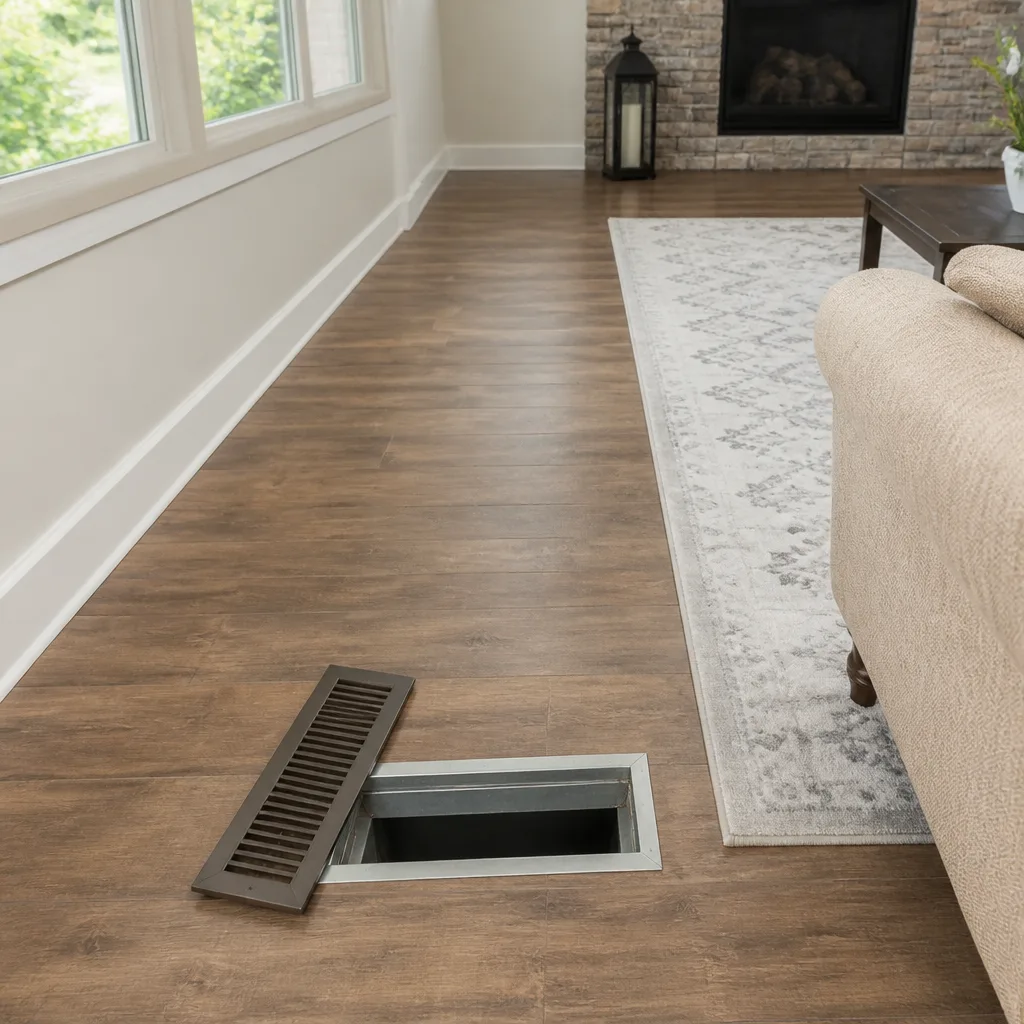 Sanitizing & deodorizing
Whole-system duct and dryer vent check with before-and-after photos - you see exactly what came out of your vents
That "$99 whole-house special" is a bait ad - the real number appears once they are in your hallway, or the "clean" is a shop-vac at the register. We photograph the inside of your ducts before and after instead.
Air Duct Cleaning Troubleshooting in Chico: Common Problems and How to Fix Them
If one room in your house always runs 8 to 10°F hotter than the thermostat setting, the usual diagnosis is an undersized HVAC system. That answer gets repeated a lot, and it’s often wrong. A disconnected or collapsed run of flex duct produces the exact same symptom, and it costs a fraction as much to fix. Most homeowners in Chico never get told this because the ductwork is hidden in the attic and nobody looks at it. This guide teaches you to read your system’s symptoms the way a technician does, match them to specific duct faults, and know which problems call for cleaning, which call for repair, and which are worth a professional’s equipment.
Quick Answer
Most duct complaints in Chico trace to a handful of causes: joints that have come apart or lost their foil tape, flex-duct liner degrading in the attic heat, crushed or kinked runs behind drywall, and heavy debris buildup at the plenum or return. You can often confirm a fault yourself with a flashlight and a phone camera at accessible joints. A cleaning alone won’t fix a collapsed duct, and a repair alone won’t remove the debris that caused the restriction – the two go together.
Styles & brands we work with
- Whole-home duct cleaning
- Dryer vent cleaning
- Camera inspection
- Sanitizing & deodorizing
Table of Contents
- Reading Your Symptoms: A Map of Complaints and Their Causes
- How to Inspect Your Own Duct Joints Before You Call Anyone
- Why Chico’s Dry Summer Heat Wears Out Flex Duct in Attics
- Cleaning Fix vs. Repair Fix: How to Tell Which One You Need
- When a Portable Vacuum Isn’t Enough
- The Dryer Vent Problem That Gets Mistaken for Dirty Ducts
- How to Verify the Work Was Actually Done
Reading Your Symptoms: A Map of Complaints and Their Causes
Every duct problem announces itself through the system’s behavior. The trick is knowing which complaint points to which fault. Homeowners in Chico describe the same five or six symptoms over and over, and each one narrows the list of likely causes fast. Here’s how a technician maps it.
- Dusty supply registers, weeks after cleaning the room: debris in the duct run feeding that register, or a return that’s pulling from an open attic space and pushing insulation dust into the system.
- One room consistently hot (8-10°F above the thermostat): a disconnected, kinked, or crushed run – the air never reaches the room, so the system runs longer and other rooms get starved too.
- Musty smell within a minute of the AC kicking on: moisture and organic dust sitting in the plenum or a return chase, common where an AC coil pan has been wet or a duct has pulled loose near an unconditioned space.
- Weak airflow at every register: a restriction at the plenum, a collapsed trunk, or a filter/return problem – typically the system’s main bottleneck, not the individual runs.
- Whistling or rattling at one register: a partially blocked run or a loose boot (the connector where the duct meets the register). The whistle is air forced past a restriction.
- Higher runtime and electric bills with no equipment change: the blower working harder against resistance. This one is the most expensive to ignore and the most satisfying to fix.
The pattern matters more than any single symptom. Two or three of these together usually point to one structural fault rather than several. If hot spots come with a musty smell, for example, that’s a disconnected duct near a moist space, not two separate problems.
How to Inspect Your Own Duct Joints Before You Call Anyone
You can confirm a lot from an attic access panel and a smartphone. This isn’t a substitute for a full diagnostic, but it’s enough to tell whether you’re dealing with a cleaning problem or a physical break – and that changes who you call and what you ask for.
- Turn the system to fan-only and watch airflow at each register. Hold a tissue or a strip of toilet paper at each supply. The ones with noticeably weaker pull are your suspects. Write the room names down.
- Get into the attic (safely) with a flashlight. Look for ducts running along the joists. Don’t walk on drywall between joists. If the attic isn’t safely accessible, skip to step 5.
- Trace the suspect runs from the trunk to the register boot. Flex duct should be supported every few feet, hung straight, and fully extended. Look for sagging loops, kinks, or runs pinched under a joist.
- Inspect each joint with your phone camera. Foil-taped connections should be continuous and tight. A joint that’s separated, with visible gaps or tape curled back, is a leak. Photograph it so you can describe it to a technician.
- Check the plenum and return. Look for visible debris caked along the inside, water staining, or settled dust at the bottom. A return that pulls directly from the attic without a proper seal is a common cause of routine dust.
- Note what you find – kinks, gaps, debris, staining – and how many. This list is what a technician will use to set the scope of the job.
We never recommend opening sealed ductwork or reaching into a running system. Looking at joints is safe. Cutting into ducts, unscrewing boots, or working near the blower is the point to bring in a professional. When you do, our technicians work with the flashlight photos you took – it makes the walkthrough faster and the estimate more accurate.
The value of this inspection is that it gives you a vocabulary. Instead of “the system isn’t working right,” you can tell a technician “two supply runs in the back bedroom are kinked and one joint has failed.” That’s a specific job.
Why Chico’s Dry Summer Heat Wears Out Flex Duct in Attics
Chico summers are hot and dry, and the attic amplifies it. Flex duct sitting in an unconditioned attic bakes in that heat for months at a stretch. The inner liner – the layer that actually carries the air – is usually a thin plastic film, and heat aging makes it brittle. Foil facing degrades the same way. This is the part of local duct wear that most homeowners never see.
What happens is subtle. The liner separates from the outer jacket and sags into the airflow path, creating a restriction that looks clean from the register. A run can be 80 percent blocked and the register in the room will still feel like something is coming out. Because the liner isn’t visible from either end, the fault doesn’t show up on a camera at the register and doesn’t smell. It just chokes the run.
We see this pattern constantly in Chico because it isn’t a misuse problem – it’s normal wear for a duct system in a hot, dry attic. A few details worth knowing:
- Attic temperatures are higher than outdoor temps. Flex duct in a sun-baked attic runs far hotter than the shaded air below. Multiply that over 20 to 30 seasons of use and the liner’s lifespan shortens.
- Dry heat embrittles tape and mastic joints. Foil tape in an attic dries out and peels. Mastic cracks. Joints that were sealed on install rarely stay sealed.
- Dry air doesn’t mean dry duct interiors. AC condensate and bathroom exhaust can still put moisture into a return chase, and dry attic air alone won’t dry it out.
- Attic insulation can mask the problem. Ducts buried under blown-in insulation look fine from above. What matters is the inner liner, not the outer wrap.
If your house has original flex duct from the build and it’s been through a couple of decades of Chico summers, liner degradation is a real possibility, not a scare tactic. The fix is a section replacement, done by someone who understands that the degraded run is a structural fault, not dirt.
Cleaning Fix vs. Repair Fix: How to Tell Which One You Need
This is the question that saves homeowners the most money: is this a cleaning problem or a repair problem? The two require different equipment, and a bad diagnosis wastes the full cost of the wrong service.
Cleaning fixes are for debris buildup. The duct is physically intact – joints sealed, runs straight, liner healthy – and the interior has an accumulation of dust, construction debris, pet hair, or (in a return) settled insulation. The symptoms tend to be uniform across the house: dusty registers, dust settling on furniture faster than it should, or a musty smell that comes on with the AC. Airflow may feel weak but evenly weak.
Repair fixes are for physical faults. A duct is disconnected, crushed, kinked, or has a liner that has collapsed into the airflow. The symptoms are uneven – one room hot, one run whistling, one room weak – and they tend to concentrate in a specific zone of the house. Cleaning a collapsed duct does nothing useful. The vacuum pulls air through the collapsed section and the reality is that the fault remains.
Here’s the practical version:
- Call for cleaning if your complaint is dust, odor, or bill creep, and a flashlight walkthrough shows intact, sealed runs.
- Call for repair if one specific room or zone is worse, if you found a kinked or separated run in the attic, or if a technician has already told you a run is damaged.
- Call for both if the ductwork has both problems. In an older Chico home, this is common – the cleaning reveals the repair. We’d rather handle both in one visit than have you schedule a second appointment.
The reason this distinction matters is the equipment. A vacuum pulled through a collapsed duct won’t open a crush; the duct has to be repaired first. Keeping the sequence straight is what makes the work worth doing. If you’re not sure where your system falls, the free estimate settles it – and we’ll tell you honestly which service you need, even when it’s the cheaper one.
When a Portable Vacuum Isn’t Enough
Handheld vacuums and portable shop-vac units have a real use for localized dust, but they’re not enough for a full duct system. The difference is containment and negative pressure. A portable unit picks up loose dust at the opening. A truck-mount, running on negative pressure, pulls the whole system down and captures dislodged debris before it can drift back into the house.
This matters more than most homeowners realize. When you agitate debris in a duct – with whips, brushes, or air – it becomes airborne. Without containment, that cloud settles through the house, which is the definition of a failed cleaning. Professional setups use HEPA filtration and negative pressure to hold the dust in the collection system instead. On our jobs we use air duct cleaning equipment built for containment: Abatement Technologies filtration units that hold the debris where it was captured, and Nikro and Rotobrush tooling that agitates the full length of each run instead of just the mouth of it.
Here’s when portable equipment is a genuine shortfall:
- Whole-house cleaning. A portable unit doesn’t have the airflow to pull down a full trunk-and-branch system. You get the first few feet, not the inside.
- Containment. Without negative pressure, dislodged dust has somewhere to go, and that somewhere is your living room.
- Contaminated returns. A return with settled insulation or animal debris needs containment and filtration, not a shop vac.
- Deep agitation. The tooling that reaches past the first bend, and the pressure to move the debris once it’s loosened, are what separate a real cleaning from a surface pass.
We operate the same equipment standard commercial and restoration crews rely on, on residential systems. That’s not a marketing line – it’s the difference between “we knocked some dust loose” and “we cleaned the system and contained what came out.” If a company shows up with a shop vac and a hose, ask what they’re planning to do about containment. The answer tells you a lot.
The Dryer Vent Problem That Gets Mistaken for Dirty Ducts
Not every airflow complaint is a duct problem. Dryer vents and air ducts are separate systems, but they produce symptoms that look similar from the outside – a dryer that takes two cycles to dry a load, lint smell in the laundry room, a warm wall behind the dryer. A clogged dryer vent isn’t just inconvenient: it’s a leading residential fire cause, and lint is the fuel. This is the one airflow problem where the fix is genuinely a safety fix, not a comfort upgrade.
How to tell it apart from an air-duct problem:
- The symptom is dry time, not room temperature. If the dryer runs long but the house is comfortable, it’s the vent, not the ducts.
- The laundry room gets humid and warm. That means the vent is restricted and the dryer’s exhaust isn’t escaping – the moisture is coming back into the room.
- Lint smell near the dryer or vent termination. Visible lint around the outside termination or behind the dryer is a real signal.
We clean dryer vent cleaning as a separate service because it needs different equipment and a different method. The goal is removing the lint column along the full length of the run and confirming the outside termination is clear. On a long or flex duct run, lint builds up in layers; a hand brush reaches some of it, but not the whole column. Our technicians use the same professional tooling we do on ductwork, and we’ll show you the before-and-after photos of the lint removed. That’s the safest way to know a dryer vent job was real.
How to Verify the Work Was Actually Done
Duct cleaning has a reputation problem in this industry, and it’s earned. The reason is simple: the work happens in spaces you can’t see, so an unscrupulous operator can charge for it and do very little. The answer isn’t trust; it’s evidence. Before-and-after photos of your own ductwork, taken by the technician during the job, are the only proof that holds up. If a company can’t or won’t provide them, that’s the signal.
Here’s what a documented job looks like:
- Photos before the work starts, at each register and at the plenum. The team should be able to show you what the inside of the duct looked like, not just the outside of the register.
- Containment set up before any agitation. Abatement-grade HEPA filtration and negative pressure should be in place before the equipment starts moving dust.
- Photos at the same points after the work. Same lighting, same angle. The comparison is the verification.
- A scope document. What was cleaned, what was repaired, what was found but not addressed – written down, not just phoned in.
- The price agreed before the work starts, in writing. One flat price per system. Not a per-vent charge that grows as the job gets bigger.
We’ve built our process around this. Before-and-after photos of your own system, a flat price agreed in writing before anyone starts, and the option to see what was found on the camera. It’s how a professional job should look, and it isn’t hard to ask for. If a bid feels vague on any of these points, get a second proposal before you commit.
Common Mistakes to Avoid
- Assuming a hot room means an undersized system. A disconnected or kinked run explains a hot room just as often, and it’s cheaper to fix. Get the ducts checked before anyone quotes equipment.
- Buying a cleaning when you need a repair. A vacuum pulled through a collapsed run doesn’t open it. Insist on a diagnosis – kinks, gaps, and separated joints – before you buy the cleaning.
- Accepting a coupon price without asking about containment. The lowest bid often means a portable unit and no HEPA filtration. In Chico, where duct debris is dry and easily airborne, that’s the difference between a cleaned house and a dusted one.
- Skipping the dryer vent because the ducts “look fine.” The dryer vent is the fire-safety piece, and it rarely shows a visible problem from the laundry room. If your dryer takes more than one cycle, get the vent checked.
- Ignoring the musty smell after AC starts. That smell usually means moisture in the plenum or a loose joint near an unconditioned space, not “old house smell.” Address it before the cooling season runs every day.
- Not asking for photos. A duct cleaning you can’t verify is a duct cleaning you can’t trust. Ask before the work starts what evidence will be provided.
- Letting a technician talk you into a second contractor. If your duct system has both a cleaning need and a physical repair, one company should handle both. Splitting the job between two contractors is how problems get lost in the handoff.
See the difference
 Before
 After
 Before
 After
 Before
 After
When to Call a Professional
Some findings in this guide are DIY-diagnosable, and some are not. You should call a professional if: you’ve found a separated, kinked, or collapsed duct in the attic; one room or zone is consistently more than 8°F off the thermostat; you smell mustiness when the AC starts; your dryer takes more than one cycle; your electric bill is climbing with no equipment change; or you can’t safely access the attic to inspect. The duct system in Chico has a lot of original flex duct still in place, and the symptoms above are exactly the ones that point to degradation rather than dirt. Duct Cleaning Chico offers free estimates in Chico. Our technicians have up to 12 years of experience, and we handle cleaning, dryer-vent safety, and repair as one service. Call (866) 942-5531 for a free estimate.
Frequently Asked Questions
Duct cleaning in Chico is priced per system, not per vent, and the final number depends on the size of your system and whether any repairs are needed. You’ll get a written estimate before any work starts, and that written estimate sets the final price. Beware of coupon-driven bids: the low price usually reflects a portable vacuum and no real containment, and the invoice can climb once the technician is on site. Call (866) 942-5531 for an exact quote – estimates are free.
Cheap quotes are cheap because the equipment is cheap. A portable shop vac picks up surface dust and recirculates the rest; a professional job uses negative pressure and HEPA filtration to capture dislodged debris before it settles back in the house. The price also reflects whether the technician looks for physical duct faults, not just debris. A quote that doesn’t mention containment or a diagnosis is quoting a smaller job than you need. Call (866) 942-5531 to compare an honest itemized estimate.
Before-and-after photos of your own ductwork, taken during the job, are the proof. Ask for them before booking. On our jobs, we photograph each register and the plenum before and after the cleaning, and we walk you through what was found. If a company can’t provide photos, that’s your answer. Call (866) 942-5531 to book a job you can verify.
There’s no single right interval. A well-sealed system with a good filter may go many years between cleanings, while a home in a dusty area, with pets, or with a return that isn’t sealed to the attic may need it sooner. The better question is “does my system have a problem?” If you have symptoms – dusty registers, musty smell, hot rooms – a diagnosis is worth more than a calendar rule. Call (866) 942-5531 if you’re seeing symptoms.
Yes. Duct Cleaning Chico handles air duct repair as a core service alongside cleaning, so a failed joint or collapsed run found during cleaning is fixed on the spot rather than deferred. One visit covers cleaning, safety, and repair. Call (866) 942-5531 for a free estimate and a same-day diagnosis.
It shortens flex duct’s working life. Chico summers run hot and dry, and flex duct in an unconditioned attic bakes all day, which ages the inner liner and dries out foil tape. When the liner separates from the outer jacket and sags into the airflow, you get a restriction that looks clean from the register. That’s a wear problem, not a cleaning one, and it needs repair. If you’re in Chico and have original ductwork, a camera inspection is worth doing.
The Bottom Line
Most duct problems in Chico are diagnosable before any work starts. If you remember three things from this guide, make them: match your symptoms to likely causes before you call, check accessible joints with a flashlight and phone camera so you have a vocabulary, and insist on a written flat price plus photos of your own system. Cleaning and repair are different jobs, and one company should handle both. If you’re in Chico and something in your system isn’t behaving – a hot room, a musty smell, a dryer running long, a bill that creeps up – the diagnosis is the whole job. Professional-grade equipment, a flat price agreed before the work, and a documented result are what separate a real duct service from a coupon.
Contact
If your symptoms point to a duct problem, the fastest path is a free estimate. Duct Cleaning Chico is your local Chico resource for air duct cleaning, dryer vent cleaning, and air duct repair – one team, professional equipment from Rotobrush, Nikro, Abatement Technologies, Honeywell, and Aprilaire, and a written flat price per system before any work begins. Call Duct Cleaning Chico at (866) 942-5531 for a free estimate. Our technicians have up to 12 years of experience. We answer 24/7. Fast dispatch from 7am to 7pm, Sunday through Friday, closed Saturday. We can work with your insurer where applicable, and we provide before-and-after photos of your own ductwork on every cleaning.
Written by the team at Duct Cleaning Chico.