
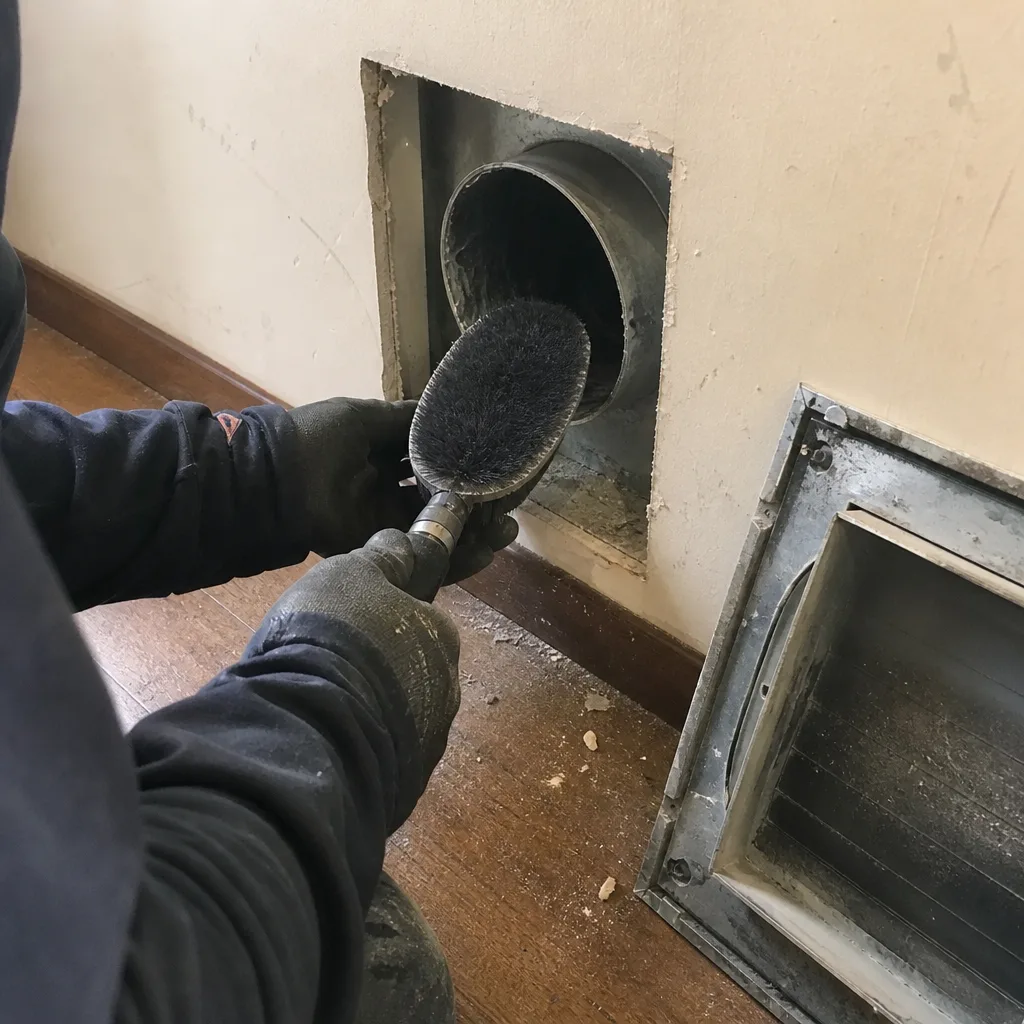
Last updated November 16, 2026
 Whole-home duct cleaning
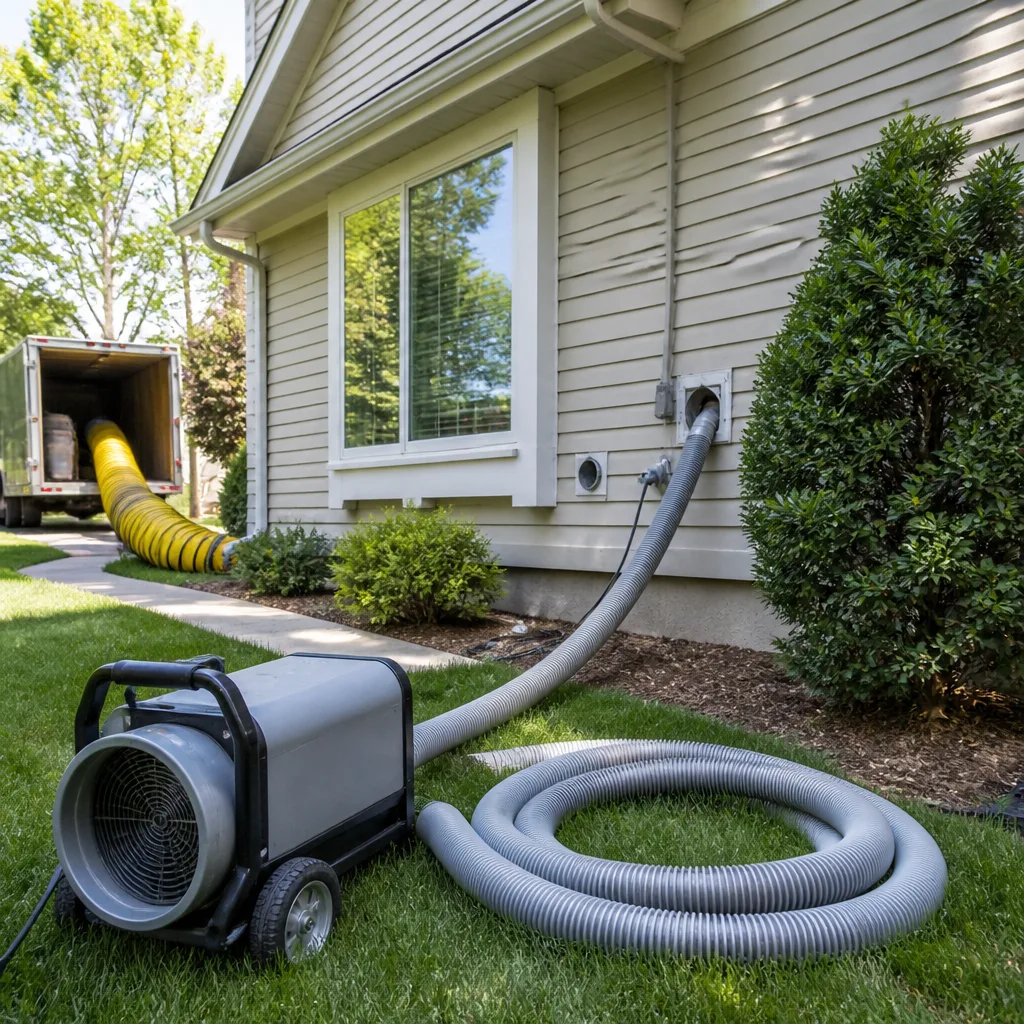
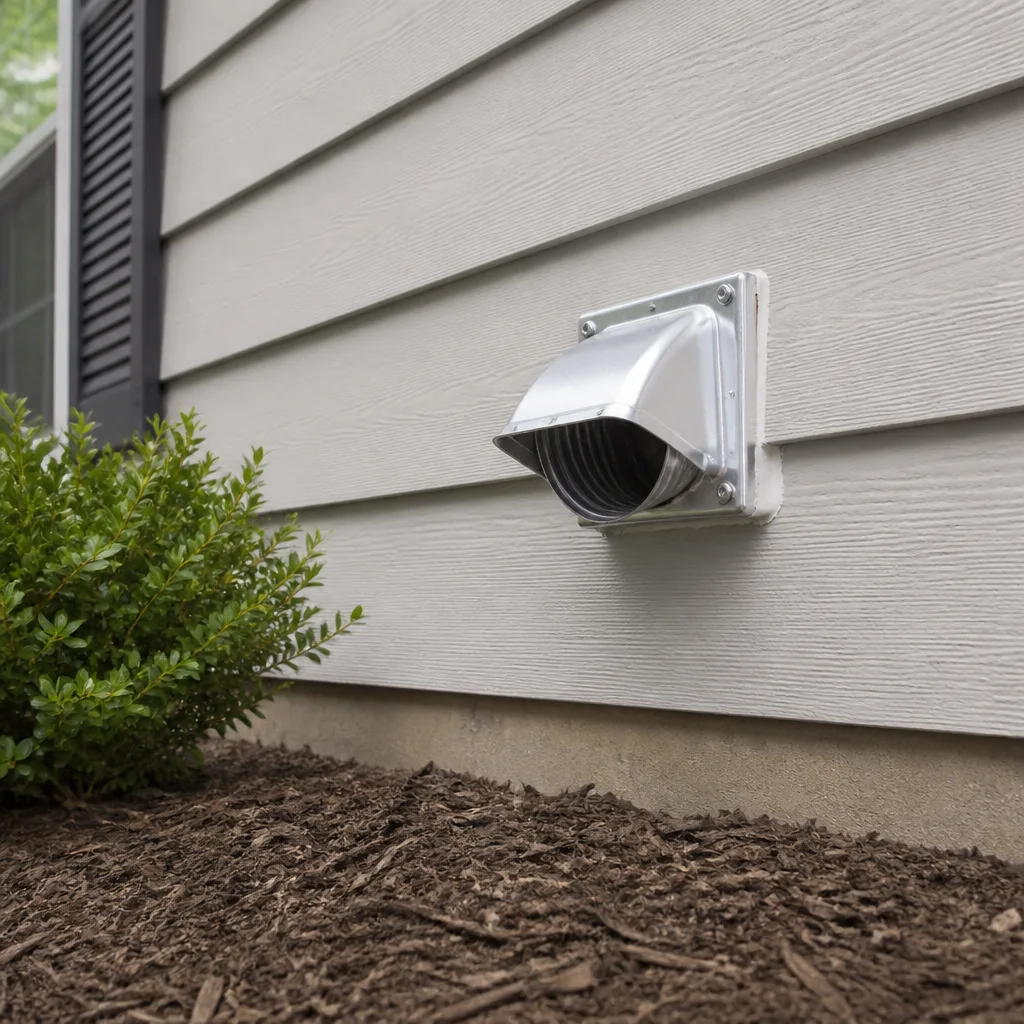 Dryer vent cleaning
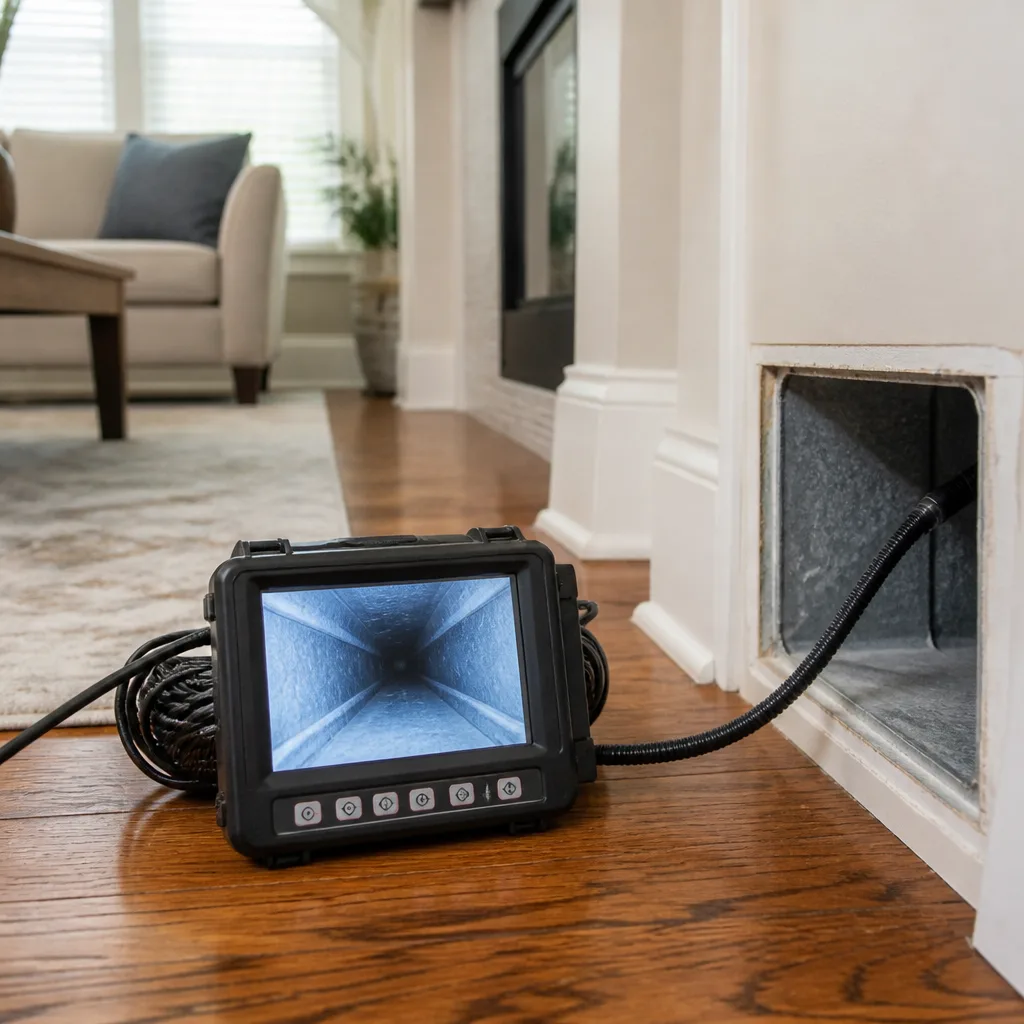 Camera inspection
 Sanitizing & deodorizing
Whole-system duct and dryer vent check with before-and-after photos - you see exactly what came out of your vents
That "$99 whole-house special" is a bait ad - the real number appears once they are in your hallway, or the "clean" is a shop-vac at the register. We photograph the inside of your ducts before and after instead.
Seasonal Air Duct Cleaning Care for Chico: Year-Round Homeowner’s Guide
Most seasonal duct-care advice was written for places with humid summers and hard freezes, and it doesn’t map onto Chico. Here, the year splits into a dry furnace that runs from late spring into fall, a smoky stretch in between, and a mild winter that few homes are actually built for. Dust that enters a Chico duct system in spring doesn’t get flushed out by rain or humidity; it stays dry, compacts, and coats the inside of the ducts until someone removes it mechanically. This guide walks through four distinct stress phases across the year, what each one does to your air ducts, and how to time cleaning and inspection around Chico’s actual weather, fire season, and agricultural calendar.
Quick Answer
In Chico, air ducts usually need a professional cleaning roughly once a year, with an extra inspection after a heavy fire season or a major orchard-turning event. The best time to schedule is late spring, before the AC runs hard, and again in late fall, before the furnace starts. Homes near the Skyway corridor, in the foothills, or downwind of orchards and rice fields tend to need it more often than homes on the open valley floor, because they pull in more particulate from smoke, dust, and harvest debris.
Styles & brands we work with
- Whole-home duct cleaning
- Dryer vent cleaning
- Camera inspection
- Sanitizing & deodorizing
Table of Contents
- Why Chico’s Climate Doesn’t Fit Standard Seasonal Advice
- Spring: Pre-Cooling Season Inspection
- Summer and Fire Season: Smoke Infiltration and Return Air
- Fall: Post-Harvest Dust and Filter Load
- Winter: Furnace Startup and Older Ductwork
- Adjusting Frequency: Foothills vs. Valley Floor
- A Simple Year-Round Schedule
- Common Mistakes to Avoid
- When to Call a Professional
Why Chico’s Climate Doesn’t Fit Standard Seasonal Advice
Chico averages fewer than 3 inches of rain between May and October. That one fact changes how duct maintenance works here compared to the humid, four-season climates most generic articles assume. In places with wet summers or hard freezes, moisture and condensation flush out some of the dust and gunk that builds up inside a duct system. In Chico, from late spring through fall, the air and the dust inside your ducts stay completely dry. Dry dust doesn’t rinse away; it accumulates, packs down, and clings to the interior surfaces of the ductwork, especially wherever airflow slows down such as at bends, elbows, and the return plenum above the filter slot.
That has three practical effects for any homeowner in Chico:
- Compaction. Dry dust compacts over months, so by the time it’s thick enough to notice, it takes real mechanical agitation to remove. A shop vac at the register can’t touch it.
- Smoke season stacking. Wildfire smoke from the surrounding region pushes fine particulate into the return air stream in summer and early fall, and it settles on top of the dry dust layer already there.
- Orchard and harvest dust. The agricultural surroundings of Chico release fine dust in fall that finds its way into return plenums and filters long before most homeowners think to look.
None of these phases show up on the seasonal calendars written for the Midwest or the East Coast. The rest of this guide lays out the four phases we see in Chico and what each one calls for.
Spring: Pre-Cooling Season Inspection
The most useful single move a Chico homeowner can make is to inspect and, if needed, clean the duct system in the weeks before the first real AC run of the year. Here’s why. Air conditioning pulls air through the return and pushes it through the supply ducts continuously for months during the valley’s long hot season. Whatever dust is sitting inside the system when the AC first fires up gets pushed out into the living space at every register, all at once, and then continues to be picked up and recirculated as the system cycles.
A pre-cooling inspection does three things:
- Looks at the filter and filter slot. If the filter is months old and loaded, the return plenum above it is usually loaded too. That’s a filter-and-duct problem, not just a filter problem.
- Checks return-air pathways. Return grilles, the return plenum, and the run of duct between the return and the air handler are where dust collects fastest. A visual inspection with a scope tells you whether the inside of the duct is light film or heavy compaction.
- Confirms the supply runs are clear. Supply runs should be checked register by register. Any that are visibly painted with dust, or that blow noticeably weaker than others, get flagged for cleaning or air duct cleaning with proper agitation and negative-pressure capture.
This is also the right time to schedule dryer vent cleaning if the dryer has been slow all winter. Lint buildup is a fire hazard regardless of season, but spring is when most homeowners are thinking about the house anyway, and it’s the easiest time to get it on the calendar.
Summer and Fire Season: Smoke Infiltration and Return Air
Smoke infiltration through a home’s ducted HVAC system behaves differently from ordinary household dust. Ordinary dust is largely a mix of skin cells, fibers, and settled soil that gets stirred up inside the house and pulled into the return. Wildfire smoke is fine particulate from outside, and it enters a house mainly through the return air path, open windows, and any gap in the building envelope that lets outside air in. Once inside, it settles on the dry dust film already inside the return plenum and duct walls, where ordinary airflow doesn’t remove it.
A few things we tell Chico homeowners to understand about fire season:
- Return-side collection matters more than supply-side. The return duct is where smoke particulate lands first. Any post-fire-season cleaning should focus there before the rest of the system.
- Filters have a limit. A standard filter will catch some smoke particulate, but it loads quickly. A loaded filter with no room to breathe lets more through; changing it more often during smoke events is one of the highest-value moves in a smoky stretch.
- Capture-and-remove beats loose-vacuum. Once smoke particulate has settled inside the ducts, the cleaning has to agitate it loose and remove it under negative pressure, so particulate goes out of the system rather than getting redistributed into the living space.
After a heavy smoke season in Chico, we recommend inspecting and, in most cases, cleaning the return-side ductwork before winter. Duct Cleaning Chico uses Abatement Technologies air-filtration equipment on residential jobs, bringing the same containment-and-capture standard used in restoration work to homes that pulled in a lot of smoke. This is the phase where that approach matters most.
Fall: Post-Harvest Dust and Filter Load
Fall in Chico isn’t just a cooling transition; it’s an agricultural event. The almond, walnut, rice, and orchard acreage surrounding the city throws a distinctive cloud of fine dust and debris into the air as harvest equipment runs, orchards are shaken, and fields are turned. For a homeowner downwind of that activity, the duct system takes on a load no Coast or mountain-town homeowner ever deals with.
What that usually looks like inside a Chico home in fall:
- Filter loading accelerates. A filter that was fine in early fall can be visibly gray by mid-fall, and the slot it sits in can pack with fine dust that no filter in the world is going to catch.
- Return plenums collect a fine, silty layer. It’s lighter than summer dust and easier to agitate, but it accumulates faster. It’s the number-one reason we recommend a fall filter change and a return-side inspection.
- Window and attic leakage adds to the load. Older Chico homes, which often have original or retrofit ductwork with plenty of small gaps, pull in more outside air than a tightly sealed newer home.
Fall is also the right time to run a full furnace-and-duct startup inspection before the heating season. What gets checked at that point sets up the winter months.
Winter: Furnace Startup and Older Ductwork
Chico winters are mild, and that changes winter cleaning priorities. In a colder climate, winter is mostly about frozen pipes and heat-loss concerns. Here, winter’s main duct-related issue is the furnace itself: as the heating system fires up for the first time after months of being dormant, anything sitting inside the ducts – dry dust, smoke particulate from summer, fall harvest silt – is pushed into the home the moment the blower runs. If the ductwork is old, with porous or poorly sealed joints, the risk of pulling contamination into the return is higher.
Winter inspection should look at three things:
- The furnace blower and filter compartment. Blower wheels load up with dust, and a loaded blower moves air less efficiently, which raises the run time and the energy bill.
- Combustion byproducts. Any fuel-burning appliance needs its own venting inspected separately from the ductwork. This isn’t duct cleaning, but it’s a check we flag as part of a whole-system look before the heating season, and homeowners should have a qualified HVAC technician confirm combustion safety.
- Duct repair. Gaps, disconnected joints, and failing connections around older Chico ductwork often become obvious during winter, when airflow differences from room to room are more noticeable. Duct Cleaning Chico handles structural air-duct repair, so anything discovered in the course of cleaning gets fixed in the same visit instead of becoming a second appointment.
Winter is also when a homeowner can address something that gets overlooked: the indoor air quality products on the system. If the home has a Honeywell or Aprilaire filter cabinet, humidifier, or fresh-air system, winter is when those get checked and, if needed, serviced.
Adjusting Frequency: Foothills vs. Valley Floor
How often a Chico home needs duct cleaning depends heavily on where it sits relative to the city’s geography. The Skyway corridor runs from the Chico valley floor up into the foothills. Homes close to that corridor and up into the hills are more exposed to windblown particulate, smoke settled in the low foothills during fire season, and wildland dust from the surrounding terrain. Down on the open valley floor, homes pull in more agricultural dust and smoke but less of the wind-driven foothill particulate. They differ in a couple of other ways:
- Homes near the Skyway corridor and foothills usually benefit from annual cleaning, and in heavy smoke years an extra return-side inspection after fire season. Wind exposure and wildfire smoke are the dominant inputs.
- Homes on the open valley floor can often go 12 to 18 months between cleanings if the filter is managed carefully, but fall (harvest) and late spring (pre-cooling) are still the two checkpoints.
- Homes downwind of active orchard or rice acreage in any part of Chico should plan on the shorter end of the range. Agricultural dust accelerates filter loading and return-plenum accumulation.
- Rental properties benefit from a documented cleaning schedule so turnover issues get caught before a new tenant notices a musty smell or a sluggish dryer.
If you’re unsure where your home falls, a free estimate is the fastest way to know. Call (866) 942-5531 for a free estimate.
A Simple Year-Round Schedule
Here’s the annual schedule that fits Chico’s four phases, written to work for both single-family homes and rental properties.
- Early spring (before the first AC run). Change the filter, inspect the return plenum, and check each register for visible dust film or weak airflow. Schedule a professional cleaning if it’s been more than a year, or if the return looks loaded.
- Late spring (AC is running). Change the filter again if it’s visibly gray. If you have a Honeywell or Aprilaire filtration cabinet, confirm it’s set up correctly for the season.
- Summer fire season. Keep filters changed more often during smoke events. Watch for draftiness, musty smells, or visible smoke haze inside the home on a smoky day; all three are worth an inspection.
- Late summer to early fall (after fire season). If the home pulled in significant smoke, have the return-side ductwork inspected and, if needed, professionally cleaned with proper containment and capture.
- Mid-fall (after harvest). Change the filter, inspect the return plenum for the fine silt that agricultural dust produces, and book a cleaning if it’s been a year.
- Late fall (before the first furnace run). Get the furnace-and-duct startup inspection done. Confirm combustion appliance venting is checked by a qualified HVAC tech. Have any duct repair issues flagged now.
- Winter. Keep filters fresh. If the dryer is slow, get dryer vent cleaning done now rather than waiting for spring.
This is the schedule Duct Cleaning Chico builds around for Chico homes. It’s not a hard rule; a home near the Skyway with a younger system may only need every-other-year cleaning, while a valley-floor home downwind of active orchards may need it twice in a year. What matters is aligning the inspection with the phase the system is entering.
Common Mistakes to Avoid
- Treating the filter as the whole job. A lot of Chico homeowners change filters religiously and skip the return plenum and duct interior for years. The filter protects the equipment; it doesn’t stop the duct from accumulating dust. A loaded filter is often a signal that the duct itself needs looking at.
- Waiting for a visible problem. Dry, compacted dust doesn’t announce itself. By the time a smell or a weak register makes it obvious, the ductwork has been loading for a while. The pre-cooling season inspection is the low-cost moment to catch it.
- Skipping the post-fire-season check. A home that pulled in significant wildfire smoke in August should not go straight into winter without inspecting the return side. Smoke particulate that’s allowed to sit through the winter gets remobilized into the living space when the furnace runs.
- Assuming newer construction means a clean duct. Even a newer Chico home can have construction debris left in the ducts, and older homes can have decades of accumulation. Age alone doesn’t tell you what’s inside.
- Hiring a bid based only on price. A coupon-driven cleaner with a shop vac and one helper can agitate dust loose without capturing it. Proper equipment and capture are what makes the difference. Duct Cleaning Chico works with Rotobrush and Nikro systems built for the job, not borrowed from the hardware store.
- Ignoring duct repair found during cleaning. A cleaning that flags a failing joint and leaves it for “next time” is half a job. Any gap or failed connection the cleaning reveals should be addressed in the same visit.
- Skipping the dryer vent because the dryer still works. A dryer that runs slowly, or takes two cycles to dry a load, is a sign of lint buildup that is a fire hazard, not just a performance issue. Dryer vent cleaning is part of the year-round care routine for any Chico home.
When to Call a Professional
Some things are worth checking yourself, and some should go straight to a professional. Call a professional if any of the following is true: you haven’t had the ducts cleaned in a year or more, you see visible dust or debris inside a register with a flashlight, you notice a musty or smoky smell that comes back into the house every time the system runs, you’ve just been through a heavy smoke season, your dryer takes noticeably longer than it used to, or the system has been around long enough that some of the ductwork may be original. A gray, compacted film inside the return plenum is beyond what a shop vac addresses.
Duct Cleaning Chico offers free estimates in Chico with a single flat price per system, agreed before work starts, plus before-and-after photos so you know exactly what was removed. Duct Cleaning Chico covers cleaning, dryer vent safety, and duct repair in one visit. Call (866) 942-5531 for a free estimate.
See the difference
 Before
 After
 Before
 After
 Before
 After
Frequently Asked Questions
Roughly once a year in most Chico homes, with a shorter interval for homes near the Skyway corridor, up in the foothills, or downwind of active orchard acreage. Homes on the open valley floor with a well-managed filter can often go 12 to 18 months, but spring and fall are the two checkpoints worth keeping.
More important. The fewer-than-3-inches of rain Chico averages between May and October means dust doesn’t get flushed out or dampened. It stays dry, compacts, and coats the interior of the ducts, so it takes professional-grade agitation and negative-pressure capture to remove. That’s a different problem from humid or four-season climates.
We quote one flat price per system rather than per vent, and we set it from a written estimate after looking at the actual system. That’s different from the teaser coupon price you see on flyers, which frequently turns into a much larger invoice once the technician is on site. Our written estimate sets the final price. Call (866) 942-5531 for a free estimate.
Cheap quotes usually reflect equipment and time. A truck-mounted vacuum and a trained operator running proper agitation take real setup, and a bid that skips that is very often a bid that only agitates dust loose without capturing it. The other common pattern is the low up-front number that grows once the technician is inside the home. We list one flat price per system and take before-and-after photos of the ducts actually cleaned, so you know what you paid for.
Ask for before-and-after photos of the ductwork taken during the job, and ask what equipment is being used for both agitation and capture. If a cleaner can’t answer both, that tells you something. We photograph the work and use contractor-grade Rotobrush and Nikro systems with Abatement Technologies filtration so particulate is captured and removed, not just loosened.
No. We handle structural air-duct repair during the same visit, so you aren’t scheduling a second contractor for a joint or gap that the cleaning discovered. That’s one of the reasons Chico homeowners use us for the whole duct-system lifecycle rather than just the cleaning piece.
Once a year in most Chico homes, more often if you have a large household or a longer vent run, and sooner if the dryer starts taking two cycles to dry a load. Lint buildup in a dryer vent is one of the leading residential fire causes, so it’s worth treating as a safety check, not a convenience one.
We answer 24/7. A call outside dispatch hours is booked into the next opening, Sunday through Friday, 7am to 7pm. Fast dispatch from 7am to 7pm during those days.
The Bottom Line
Chico’s climate runs through four distinct phases a year, not the four seasons most duct guides describe. Dry spring, smoky summer, dusty fall harvest, and a mild winter that exposes any weakness in the ductwork. Time inspections to the phase the system is entering, keep the filter fresh, watch for smoke and harvest dust, and don’t defer duct repair flagged during cleaning. One flat price per system, before-and-after photos, and contractor-grade equipment from Rotobrush, Nikro, Abatement Technologies, and Guardsman keep the work measured and verifiable. If you’re not sure whether your Chico home is due, call (866) 942-5531. We answer 24/7. Fast dispatch from 7am to 7pm, Sunday through Friday. Estimates are free, and the written estimate sets the final price.
Written by the team at Duct Cleaning Chico.