
Last updated November 16, 2026
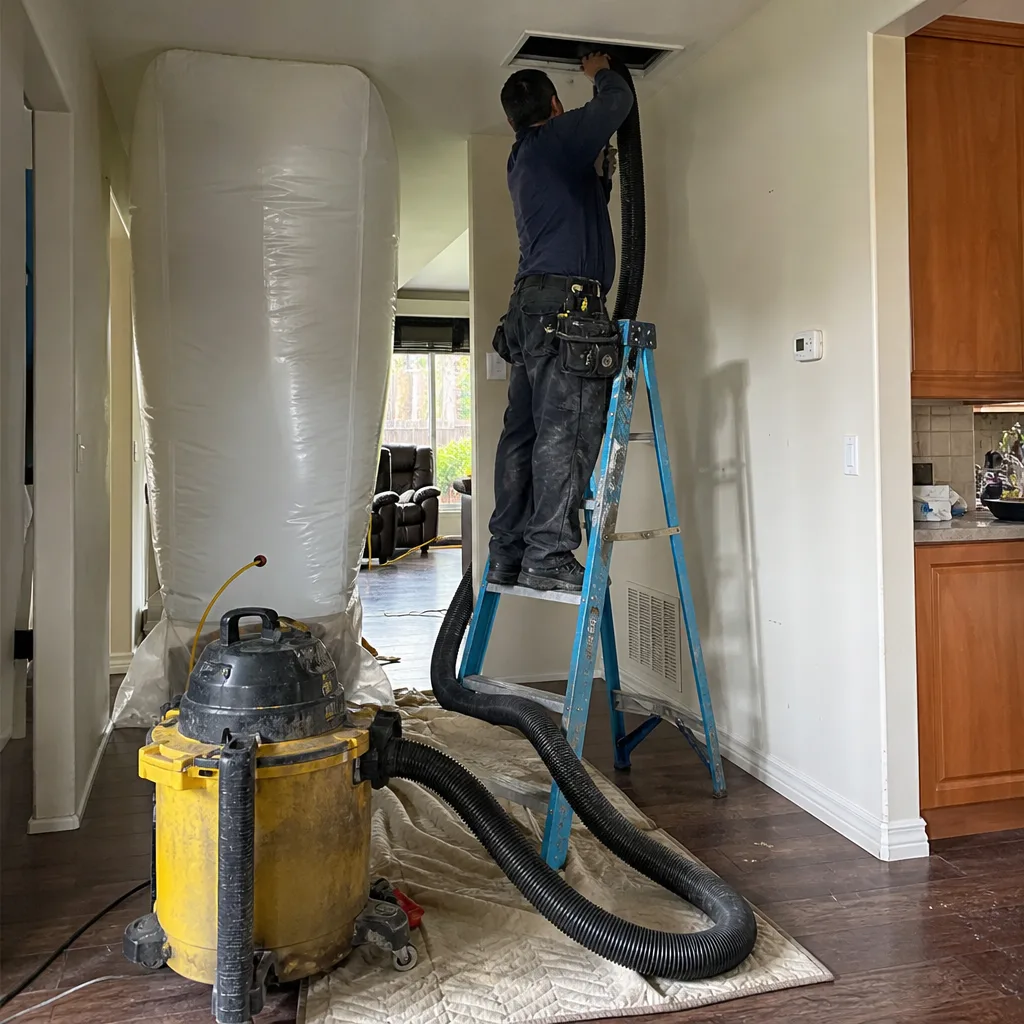
 Whole-home duct cleaning
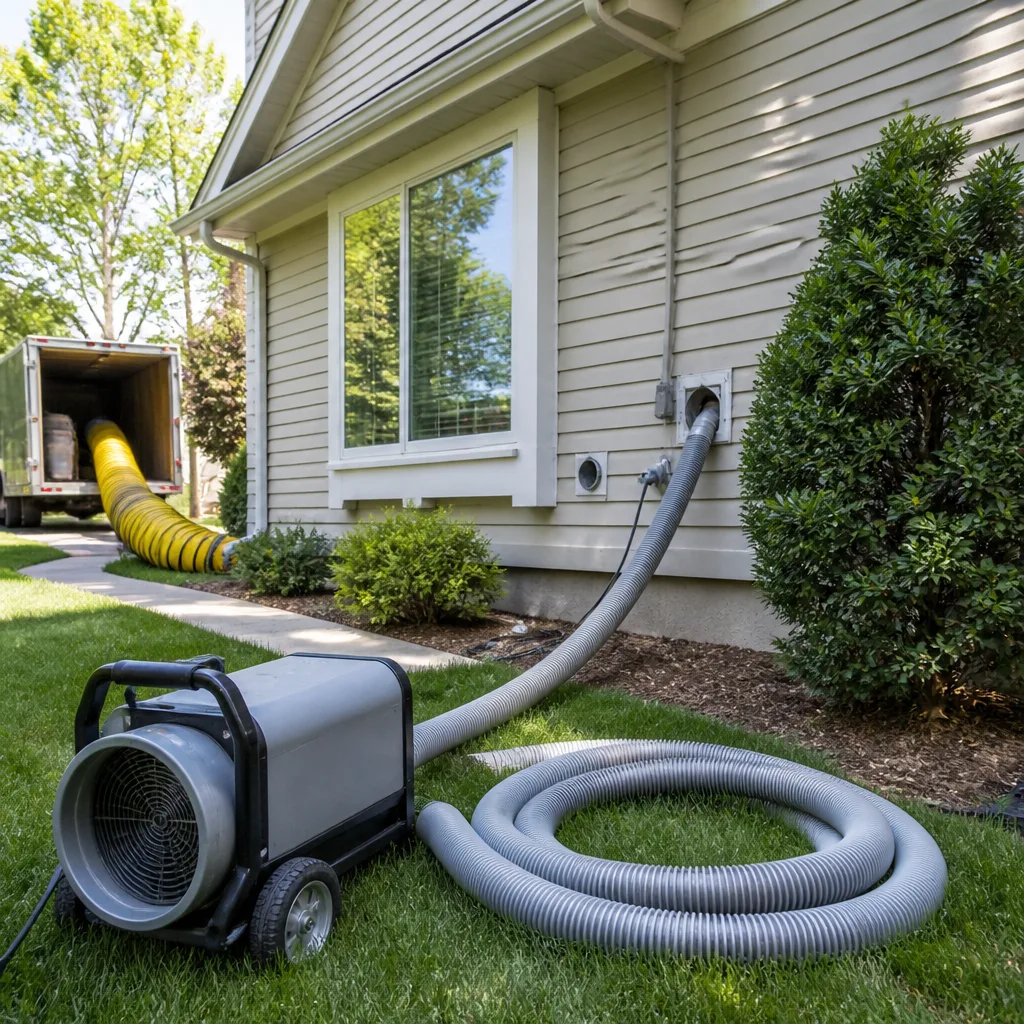
 Dryer vent cleaning
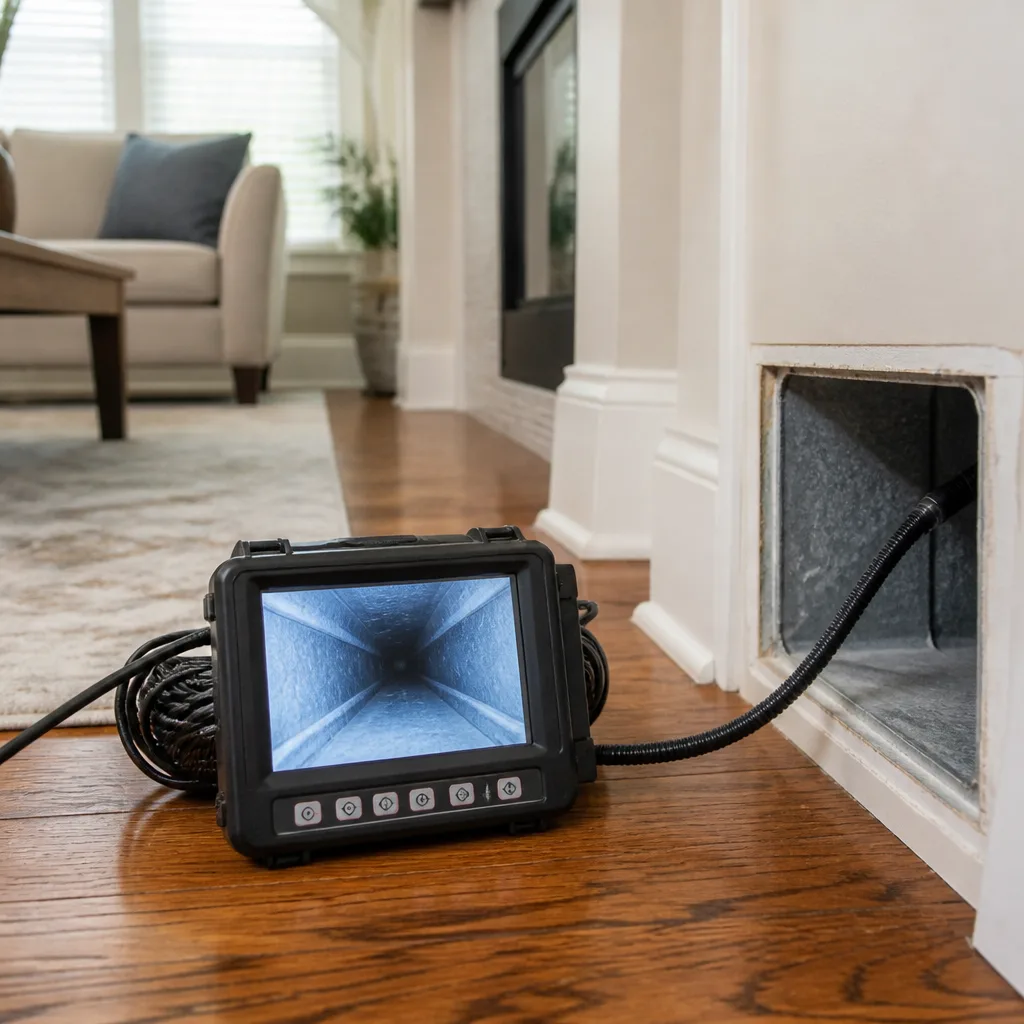 Camera inspection
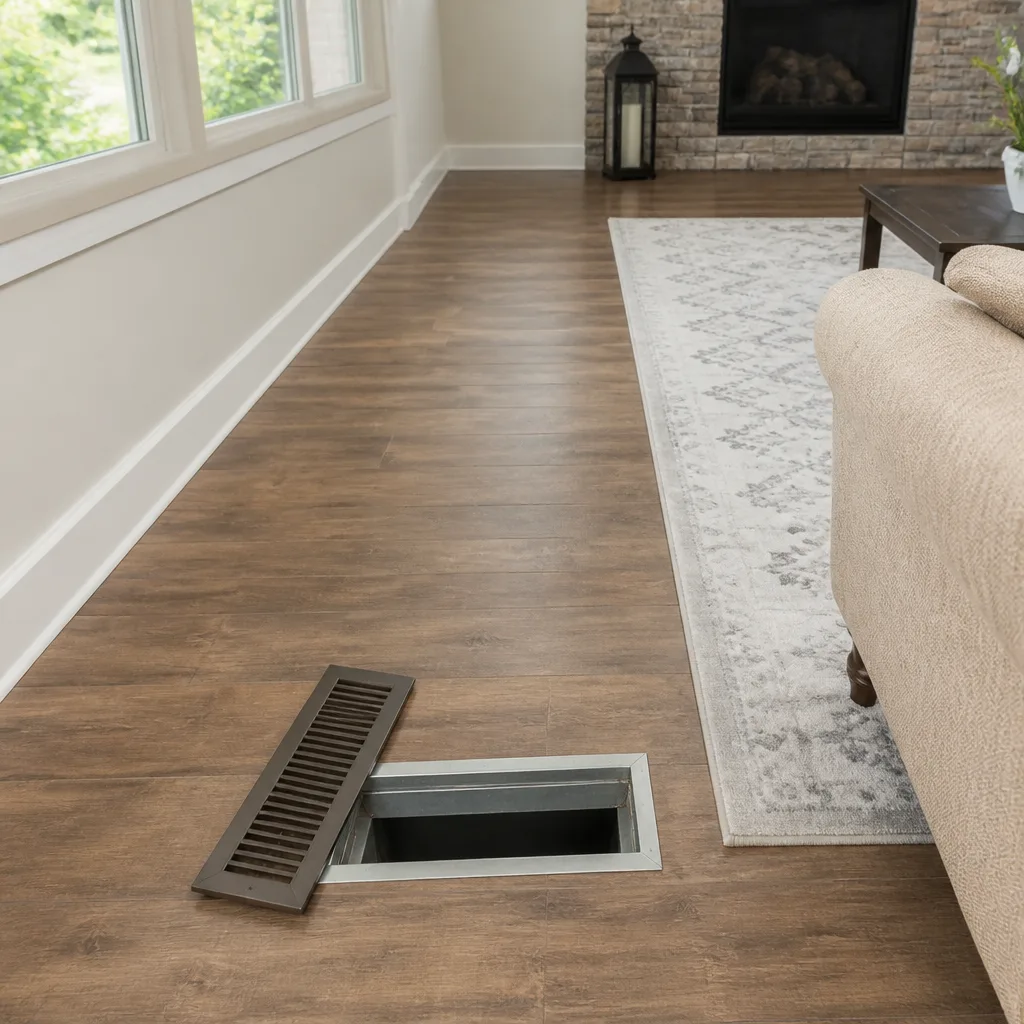 Sanitizing & deodorizing
Whole-system duct and dryer vent check with before-and-after photos - you see exactly what came out of your vents
That "$99 whole-house special" is a bait ad - the real number appears once they are in your hallway, or the "clean" is a shop-vac at the register. We photograph the inside of your ducts before and after instead.
The Complete Guide to Air Duct Cleaning in Chico
Most duct cleaning advice floating around online was written for a brick house in Ohio with a basement and a furnace running half the year. Chico homes don’t work that way. The 2018 Camp Fire put fine ash into attic ductwork across town in a way that ordinary vacuuming was never designed to remove, and every smoke season since has added another layer. Meanwhile, almond and walnut harvest dust rolls through the valley each fall, and the older housing stock many of us live in hides duct runs that predate modern filtration by decades. This guide walks you through what a real cleaning involves, how to tell whether it actually happened, and what Chico homes specifically need. Mention Chico once more and you’ll notice we’re writing this from a local trade perspective, not a national template.
Quick Answer
Air duct cleaning in Chico involves removing accumulated dust, wildfire ash, and agricultural particulate from the full duct system using negative-pressure containment and HEPA filtration, then verifying the result with photos and airflow measurements. A thorough job includes every supply and return register, the plenum, the blower compartment, and often the dryer vent. It is a scheduled service, not an emergency one, and a fair quote is set per job by a written estimate after someone inspects the actual system.
Styles & brands we work with
- Whole-home duct cleaning
- Dryer vent cleaning
- Camera inspection
- Sanitizing & deodorizing
Table of Contents
- Why Chico’s Air Ducts Are Different
- What a Full Duct Cleaning Actually Involves
- Source Removal vs. Contact Vacuuming: How to Tell Which Was Done
- Duct Materials Common in Chico Homes
- What a Post-Clean Inspection Should Produce
- Red Flags That Signal a Rushed Job
- The Dryer Vent Connection
- How Often Ducts Really Need Cleaning in Chico
Why Chico’s Air Ducts Are Different
Chico sits in the Sacramento Valley, and that geography shapes what ends up in a duct system in ways a generic guide never covers. Three things define the local dust load:
- Wildfire ash. Fine particulate from the Camp Fire and subsequent smoke seasons settles differently than household dust. It’s smaller, it travels deeper into flex duct corrugation, and it clings to metal with a film rather than sitting loose on top.
- Agricultural particulate. During almond harvest and the fall orchard work surrounding Chico, fine dust blows through town for weeks. That PM2.5 gets drawn into return air and packs against the blower wheel and evaporator coil.
- Older housing stock. Many Chico homes were built before modern duct design and filtration became standard, which means undersized returns, disconnected flex runs in the attic, and no filter slot beyond a basic 1-inch throwaway.
Ordinary household dust is mostly skin cells and lint. Ash and agricultural particulate behave differently. They abrade, they coat heat exchangers, and they hold odors longer. That changes the equipment requirement: a shop vac with a brush wand can’t capture particulate that small without recirculating it into the room. Purpose-built systems from Rotobrush and Nikro, paired with containment filtration from Abatement Technologies, capture material at the source rather than stirring it up.
Our technicians have up to 12 years of experience with this exact combination of conditions. That’s the practical difference between a cleaning built for a valley town with smoke seasons and one built for a suburban template. If you’re comparing air duct cleaning options in town, ask any contractor how they handle fine ash specifically. The answer tells you which tool set they actually carry.
What a Full Duct Cleaning Actually Involves
A complete cleaning follows a sequence. Skipping a step at any point changes what the finish looks like. Here’s the standard order of operations on a residential system:
- Inspection and documentation. Before anything gets touched, we photograph the duct interiors at registers, check for disconnected flex runs, and note any visible contamination on the blower or coil.
- Containment setup. A HEPA-filtered negative-pressure unit connects to the main trunk. This is what turns a cleaning into a capture operation rather than a dust-stirring event. Abatement Technologies filtration equipment raises the standard here from typical residential practice to something closer to remediation work.
- Register and vent seal. Every supply and return opening is sealed. This is not optional. An unsealed register lets the pressure unit pull room air rather than duct air, which means the branches barely move.
- Agitation. Rotobrush and Nikro tools with whip lines and brush heads work each branch and the trunk. Corrugated flex duct needs air whip agitation because brushing alone doesn’t reach into the ridges.
- Plenum and blower compartment. This is where most of the volume of dust actually sits, particularly on systems that have run without proper filtration. The blower wheel gets cleaned by hand.
- Finish and sanitizing. Guardsman-line products are used in the finish pass on systems where it makes sense. Anyone who quotes sanitizing on every job without inspecting first is guessing.
- Verification. Photos, airflow readings, and a walkthrough with the homeowner. If a contractor can’t produce a before/after set, ask why.
Air duct repair often comes up mid-job. A disconnected flex run in an attic or a crushed branch at a register boot gets found during cleaning. We repair it on the spot rather than scheduling a return visit. One visit covers cleaning, safety, and repair. That’s the practical argument for choosing a contractor who handles all three.
Source Removal vs. Contact Vacuuming: How to Tell Which Was Done
There are two ways to approach duct cleaning, and the difference isn’t marketing. It’s mechanical. Contact vacuuming means a vacuum head touches the visible surfaces of the duct interior and pulls what’s loose from the walls it can reach. Source removal means the entire system is placed under negative pressure and the contamination is dislodged and captured in one continuous operation.
Here’s what changes between the two, in practical terms:
- Contact vacuuming reaches the flat surfaces a vacuum head can touch. It works fine for light dust on smooth sheet metal. It does not reach the deep corrugation of flex duct, the far end of a long branch run, or the top of the plenum.
- Source removal maintains the whole system under negative pressure while agitation happens everywhere. Ash and fine particulate get pulled toward the collection unit rather than settling back on the duct floor once the head passes.
For a Chico home with wildfire ash in attic ductwork, contact vacuuming alone is not a resolution. The ash is fine enough to stay suspended, and it will re-settle into the same corrugation within weeks.
How to tell which one was performed
- Negative-pressure equipment was set up and running before any agitation began.
- Every register was sealed with tape or plastic during the job.
- The contractor ran one continuous pass with equipment running the full time, not start-stop cycles.
- Airflow readings were taken before and after.
- Collection equipment was HEPA-rated or equivalent. If the discharge air off the machine is visible, the job is going wrong.
We use Rotobrush and Nikro systems for agitation and collection. Equipment built for the job, not borrowed from the hardware store, is the difference between a clean system and a mechanical apology.
Duct Materials Common in Chico Homes
The duct construction in Chico spans seventy years of building practice, and each material responds differently to cleaning.
Older flex duct (the silver slinky in the attic)
Corrugated flex duct is common in attics across Chico, particularly on homes built from the late 1970s through the 1990s. The ridges hold fine particulate because airflow slows at every corrugation. Brush-only cleaning doesn’t reach the valley between ridges. Air whip agitation on a source-removal setup is the right tool. Flex also sags over time. A saggy run is a place where ash accumulates, and it’s also where we often find the flex disconnected from the boot during a job.
Sheet metal trunk and branch
Smoother duct cleans faster but holds a fine film of wildfire ash that needs agitation and thorough mechanical capture. Sheet metal runs in Chico sometimes have internal fiberglass duct board, which cleaning can degrade if the contractor uses the wrong tool. Ask what’s inside the trunk before anyone starts.
Duct board and rigid fiberglass
Fiberglass duct board is common on homes from the 1980s and later. It has to be cleaned carefully. Aggressive brushing damages the liner and creates a future problem worse than the dust. Where the duct board is already failing, that’s an air duct repair conversation, not a cleaning conversation.
Filter grilles and returns
An upgraded filter slot and a proper return are the cheapest long-term protection. Many Chico homes still run a 1-inch throwaway filter that passes most of what it should catch. A filter upgrade isn’t duct cleaning, but it’s the thing that determines how fast the system needs cleaning again.
What a Post-Clean Inspection Should Produce
A duct cleaning without documentation is a claim. The customer is paying for a result they can’t see. That’s why every job should end with evidence.
- Before/after photos. Shot at the same angle, same register, same lighting. Photos of the register opening alone don’t count. The camera needs to be inside the duct at the plenum and at two or three branches.
- Written summary of scope. Which registers were cleaned, which weren’t, what was found, and what was repaired. Itemized, not a one-line invoice.
- Airflow readings. A simple anemometer reading at each register before and after is enough. If a duct was crushed and airflow went up after repair, that should show on the sheet.
- Blower compartment check. The blower wheel is the single best indicator of care. If the wheel is clean, the job was thorough. If it isn’t, the job wasn’t.
- Repair notes. Any disconnected flex, crushed branch, or failed boot connection found during the job should be listed with what was done, not deferred to a second estimate.
Ask for this before scheduling. Any contractor who hedges on producing photos and airflow readings is telling you something about the finish. Our finish work includes Guardsman-line products and a walkthrough with the homeowner, because the pictures and the numbers are what make the job verifiable.
Red Flags That Signal a Rushed Job
Most duct cleaning complaints in Chico follow the same pattern: the truck arrives, the price on the phone wasn’t the price at the door, and the work takes less time than it should. Here are the specific signs to watch for, in the sequence they usually show up:
- No register sealing. If the crew walks around with a vacuum wand pulling from open registers, the branches aren’t under pressure. Ask upfront whether all registers get taped.
- Single-pass brushing. One brush stroke per branch is contact vacuuming in disguise. Source removal takes time per branch, and the crew should be in the attic long enough to do it right.
- No HEPA collection. If the collection unit’s discharge is dusty or the room smells like a dust storm mid-job, particulate is being recirculated instead of captured.
- No photos. A contractor claiming a thorough cleaning without a camera is unverifiable.
- Quoting before inspection. Every job is different. A price given before the system is inspected is either a floor or a fiction.
- Per-vent pricing on the phone. A whole-system price covers the entire system, not a count of vents. Per-vent math always stops short of a finish.
The Dryer Vent Connection
Homeowners rarely think about the dryer vent until the dryer takes two cycles to dry a load of towels. The vent line behind the dryer is a lint trap in its own right, and it’s the leading residential fire cause nationally. In Chico, that’s a real safety outcome, not a comfort issue.
The longer the run and the more elbows, the faster lint builds. Chico homes with the dryer on the far side of the house from an exterior wall have the highest risk. A proper dryer vent cleaning removes the lint pack from the full run and verifies airflow at the exterior hood. If the flap doesn’t open easily with a load running, the vent is restricted. Lint is also flammable, and the restriction is what allows heat to build in the vent itself. Call us if the dryer is taking noticeably longer than it used to.
How Often Ducts Really Need Cleaning in Chico
There’s no single interval that fits every home. The honest answer for Chico depends on three factors: how much outdoor particulate the home takes in, how good the filtration is, and whether the ducts or the dryer vent have ever been properly cleaned.
- Homes near open agricultural land or downwind of recent burn scars: every 3 to 5 years, or after a heavy smoke season.
- Rental properties: when a tenant changes, before opening the system to fresh filtration, or whenever odor complaints come up.
- Homes with existing filtration issues: more often, until the filter setup is corrected.
- Dryer vent: every 1 to 2 years for typical households, more often for large families or long runs.
Don’t schedule cleaning based on a calendar alone. If the blower wheel is coated or returns are visibly loaded, the system is asking. If they’re clean and airflow is good, it can wait.
Common Mistakes to Avoid
- Choosing on price alone. A low headline number quoted on the phone is a starting point for a bigger invoice once the crew is on site. A whole-system price agreed before work starts, in writing, avoids that trap.
- Assuming one pass was enough. Wildfire ash and agricultural PM2.5 need source removal with real agitation per branch. A single-pass clean isn’t a wash, it’s a tour.
- Skipping the dryer vent. The duct system and the dryer vent are two separate jobs, and the vent is the safety-critical one. Bundle them or space them out, but don’t leave the vent alone for years.
- Ignoring a disconnected flex run. A flex duct that came loose from a boot in the attic feeds conditioned air into the attic instead of the room. It’s found during cleaning, and it should be repaired then, not scheduled out.
- Not asking about equipment. A consumer vacuum with a brush attachment doesn’t reach into duct corrugation. Ask what the contractor uses and why.
- Trusting a coupon price for a full system. Nobody runs a real full-system clean at a teaser figure. Any quote below the cost of doing the work properly means shortcuts elsewhere.
- Assuming ducts are self-cleaning because the filter looks clean. The filter is the front door, not the system. Contamination settles in the plenum, the blower, and the far branches regardless of what the filter looks like.
See the difference
 Before
 After
 Before
 After
 Before
 After
When to Call a Professional
Some dust in a duct system is normal and doesn’t need anything. Other signs point to a system that needs a real cleaning, or a repair, or a dryer vent safety check. Call a professional if you’re seeing any of the following:
- Musty or smoky odor when the system kicks on, especially after summer
- Rising energy bills without a clear explanation elsewhere in the house
- Allergy flares that track with the system running
- Visible dust blowing out of a register on startup
- A dryer taking noticeably longer than it used to
- A room that never heats or cools the way the rest of the house does
- Recent work in the attic where flex runs may have been disturbed
Duct Cleaning Chico offers free estimates in Chico – call (866) 942-5531. We answer 24/7, with fast dispatch from 7am to 7pm, Sunday through Friday. A written estimate sets the final price before any work begins. We’re a better fit on the equipment side than the coupon side: Rotobrush and Nikro, containment filtration, and a finish that includes photos and readings.
Frequently Asked Questions
A full residential cleaning in Chico is priced per job from a written estimate, not per vent, because system size and contamination level vary widely between homes. Ask any contractor for a whole-system price before work starts, and treat a per-vent quote on the phone as a red flag. Call (866) 942-5531 for a free estimate – estimates are free.
Because a cheap quote in Chico almost always stops short of a full source-removal clean: no register sealing, no HEPA collection, no agitation per branch, no photos. The cheap number is a contact-vacuuming pass dressed up as a full clean. A whole-system price with verifiable finish work is the honest comparison. Call (866) 942-5531 for a free estimate and a straight answer about what’s included.
You should receive before-and-after photos shot inside the duct at the plenum and at two or three branches, plus airflow readings before and after. Ask for a written scope that lists which registers were cleaned and which repairs were made. If a contractor can’t produce that, the job wasn’t verifiable. Call (866) 942-5531 and ask what the finish report looks like.
Three to five years for most Chico homes, and more often if you’re downwind of recent burn scars, near open agricultural land, or dealing with unresolved filtration problems. The blower wheel is the easiest single indicator: if it’s coated, the system needs cleaning. Call (866) 942-5531 for a free estimate.
In most cases ductwork is cleanable, but the fine ash from wildfire smoke requires source-removal methods with proper agitation and HEPA capture. Flex duct is the material that holds it deepest. If the duct is physically damaged or the flex has failed, cleaning is replaced by repair. Call (866) 942-5531 for a free inspection.
Yes. Both services in one visit make sense because the dryer vent is the safety-critical one and it’s easy to schedule alongside the duct cleaning. One visit covers cleaning, safety, and repair when something turns up. Call (866) 942-5531 for a free estimate.
Yes. We serve homes in Chico and surrounding communities in the valley. If you’re not sure whether your address is in our area, ask when you call. Call (866) 942-5531 for a free estimate.
The Bottom Line
Chico’s duct systems take in more than ordinary household dust. Wildfire ash, agricultural particulate, and older housing mean a full source-removal cleaning with proper containment is the standard, not a luxury. The job is verifiable: photos, airflow readings, a written scope, and repair work done on the spot. Purpose-built equipment matters here, and so does choosing a contractor who prices per whole system and produces evidence. Trust the documentation over the promise. If the finish is real, it’s visible. Call (866) 942-5531 to schedule a free estimate or learn more about Duct Cleaning Chico.
Written by the team at Duct Cleaning Chico.