
Last updated November 16, 2026
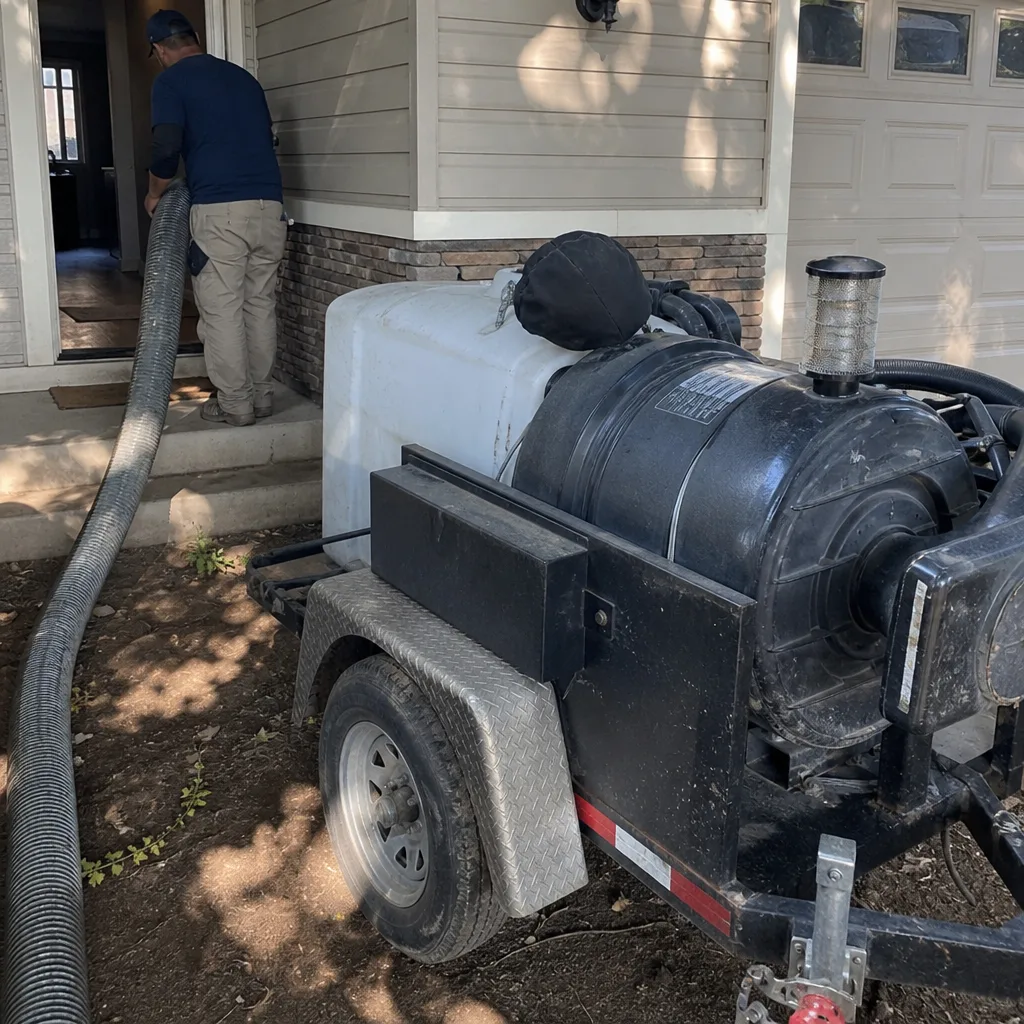
 Whole-home duct cleaning
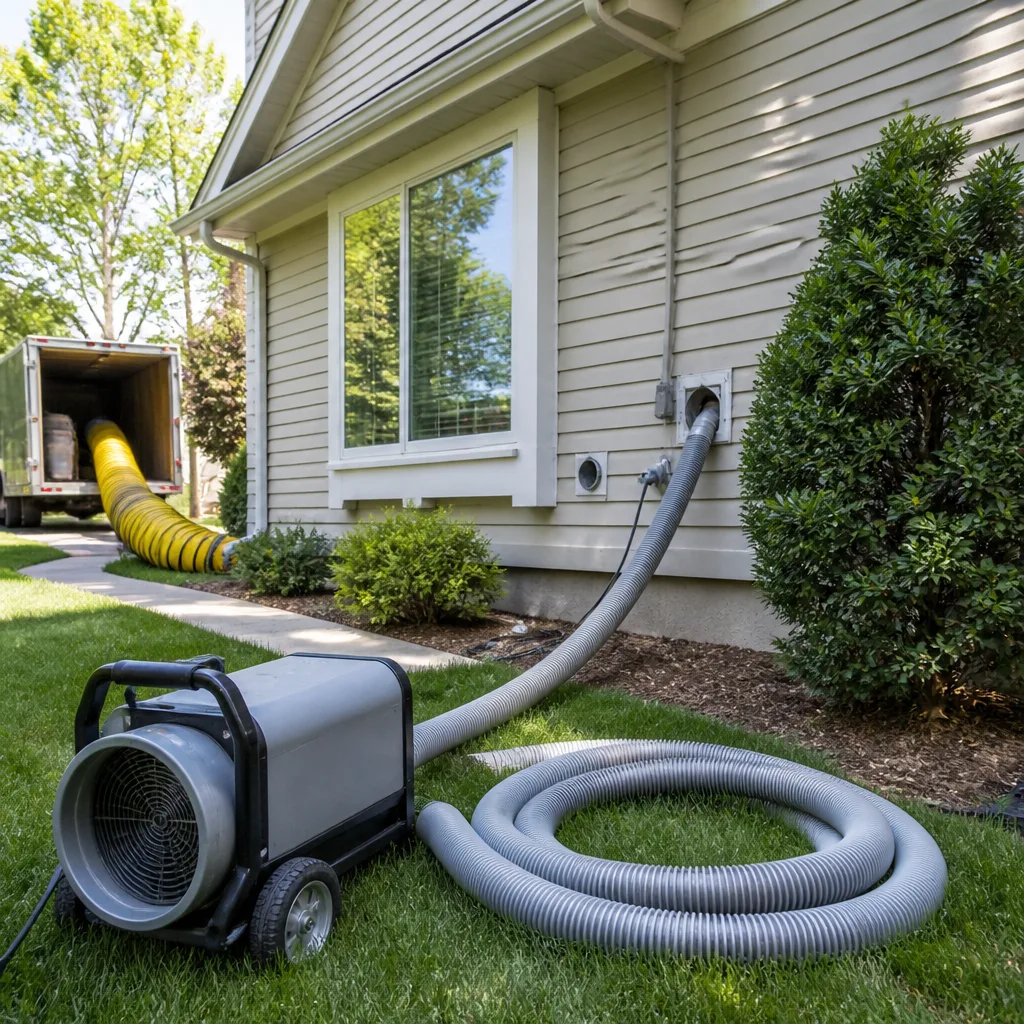
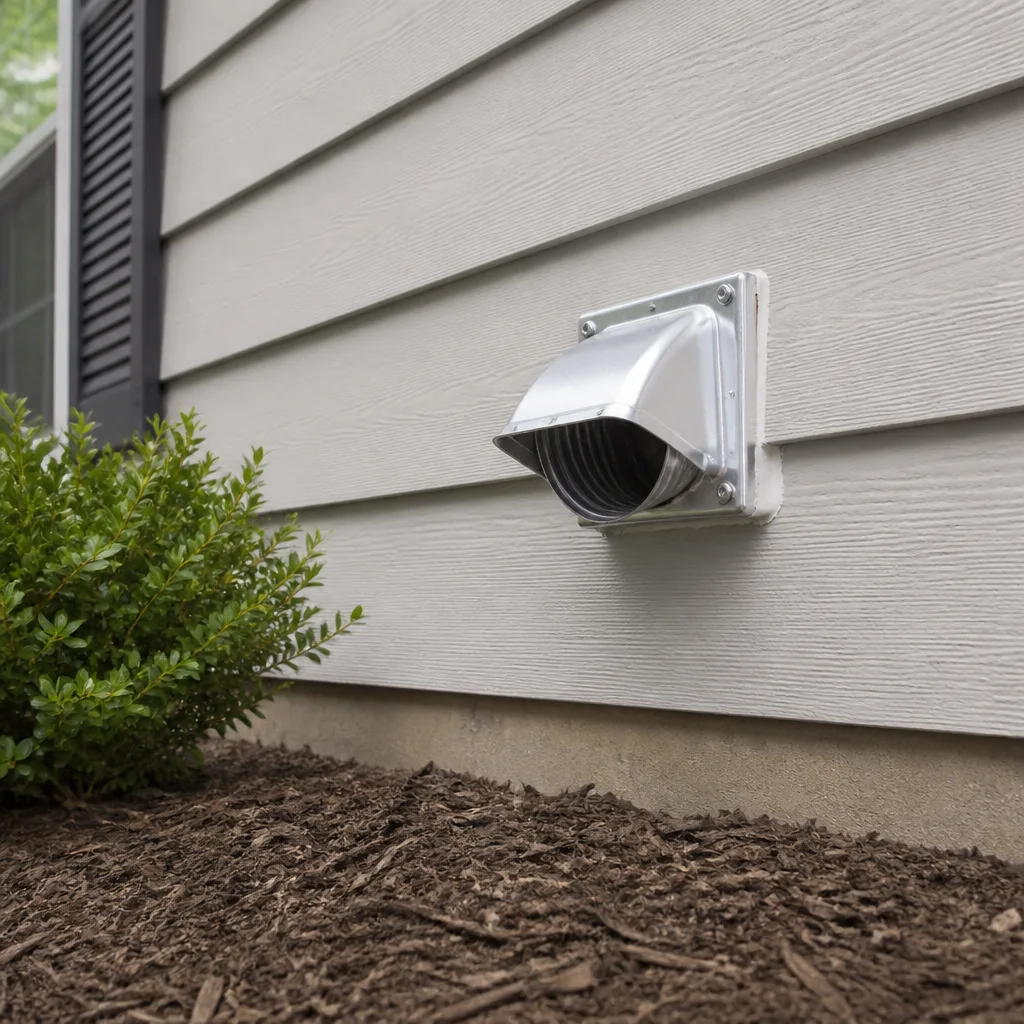 Dryer vent cleaning
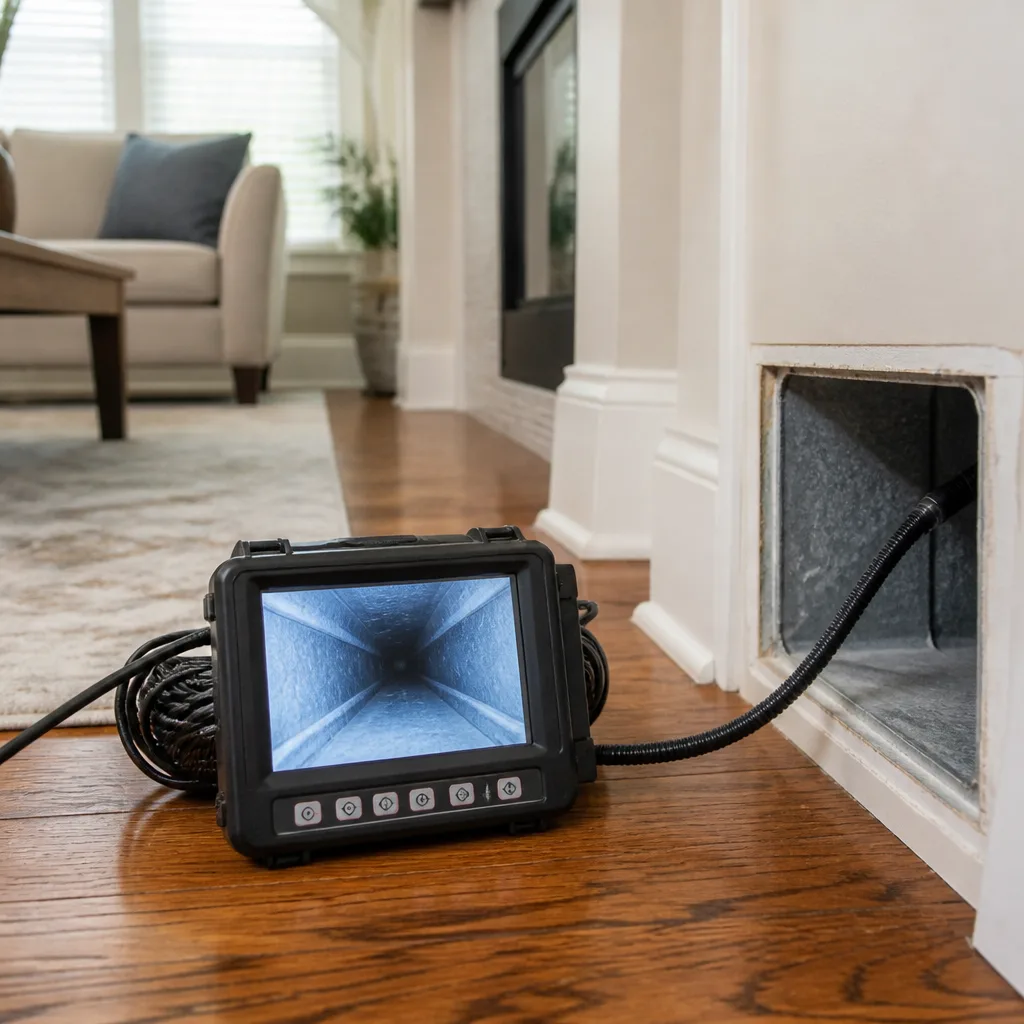 Camera inspection
 Sanitizing & deodorizing
Whole-system duct and dryer vent check with before-and-after photos - you see exactly what came out of your vents
That "$99 whole-house special" is a bait ad - the real number appears once they are in your hallway, or the "clean" is a shop-vac at the register. We photograph the inside of your ducts before and after instead.
Air Duct Cleaning Permits, Codes & Inspections in Chico, CA: What You Need to Know
Here’s the part of the trade most people never hear: in California, the cleaning itself is largely permit-exempt, but the moment a technician cuts out a damaged flex run and replaces it, that’s contracting work under a license most duct cleaners don’t hold. The gap between those two acts is where Chico homeowners get exposed to unpermitted modifications, insurance disputes, and code violations that surface years later at resale. A C-20 HVAC license, a Butte County permit threshold, a Title 24 duct sealing rule, and a two-minute check on the CSLB database all sit on that line. This guide walks you through where the line actually is, so you can hire without guessing.
Quick Answer
Air duct cleaning alone typically doesn’t require a building permit in Chico or anywhere in California, but duct repair, replacement, or rerouting does fall under licensed C-20 HVAC contracting and may trigger a Butte County permit depending on scope. Any contractor touching ductwork should hold an active CSLB license, and you can verify it in the CSLB public database before signing. Accessing ducts for cleaning or repair also brings California’s Title 24 duct sealing requirements into play, and unpermitted modifications can leave a homeowner’s insurance coverage on shaky ground.
Styles & brands we work with
- Whole-home duct cleaning
- Dryer vent cleaning
- Camera inspection
- Sanitizing & deodorizing
Table of Contents
- Cleaning vs. Repair: Where the Permit Line Sits
- California CSLB License Classifications for Duct Work
- Butte County Building Permit Thresholds for Duct Work
- What Title 24 Says About Duct Sealing
- How to Verify a Contractor’s License Before You Sign
- Insurance Exposure When Ducts Are Modified Unlicensed
- What an Inspection Actually Looks Like
- Documentation You Should Keep
Cleaning vs. Repair: Where the Permit Line Sits
Cleaning is a maintenance act. Repair is a construction act. That distinction is the whole ballgame in California, and it’s the one that gets glossed over on a lot of flyers.
When a technician runs a Rotobrush or Nikro system through your existing ductwork to remove dust, debris, and biological buildup, nothing structural changes. No permit is triggered because no component is altered. That’s routine air duct cleaning work, and it’s the bulk of what most Chico homes need when they call.
The line falls on any of the following, because each one alters the mechanical system:
- Cutting out and replacing a section of flex duct
- Sealing a joint with mastic or tape in a way that changes the system’s tested leakage
- Adding, removing, or rerouting a branch run
- Replacing a plenum connection or collar at the air handler
- Repairing crushed or disconnected duct runs hidden in the attic or crawl space
That last one comes up constantly in Chico. Attic duct runs in older homes take a beating from summer heat, and a crushed run behind the air handler is exactly the kind of thing a cleaning tech finds and a licensed contractor has to fix. Duct Cleaning Chico runs a full duct repair service for precisely that reason; you don’t want a cleaning crew to find a problem and then have to hand you a second contractor’s phone number.
In our experience, homeowners rarely know which category their job falls into until someone opens up the system and looks. That’s fine. What matters is that whoever looks is licensed to do the repair, not just the cleaning.
Why Cleaning-Only Work Is Exempt
California’s building codes regulate construction, alteration, and repair of mechanical systems. Routine maintenance and cleaning of an existing system in its existing configuration isn’t construction. This is why a cleaning company can operate without a C-20 license in many cases, and why the exemption exists. It’s also why the exemption gets stretched by operators who go further than cleaning and don’t mention it.
California CSLB License Classifications for Duct Work
If a company is going to repair or replace ductwork in Chico, it needs an active contractor license from the California State License Board, and the classification matters. The C-20 is the Warm-Air Heating, Ventilating and Air-Conditioning Contractor classification, and it’s the one that covers duct installation, alteration, and repair.
Here’s what each classification actually lets a contractor do:
- C-20 (Warm-Air Heating, Ventilating and Air-Conditioning): Full scope of ductwork installation, repair, sealing, and alteration. This is the license you want on the truck if anything is being cut, replaced, or rerouted.
- C-10 (Electrical): Not applicable to ductwork, but relevant if the job touches wiring at the air handler or a new thermostat run. A duct contractor shouldn’t be doing electrical work outside their scope.
- C-36 (Sheet Metal): Fabrication and installation of sheet metal duct systems. Relevant for rigid metal ductwork, less so for flex.
- B (General Building Contractor): Can take a job involving multiple trades but must subcontract out the C-20 scope.
The reason this matters in Chico specifically: a large share of the housing stock has duct systems in the attic, which is a difficult environment. Summer attic temperatures here routinely climb high enough that flex duct and tape joints degrade faster than the manufacturer’s spec suggests. When a company that only holds a cleaning exemption starts replacing that degraded duct, the work is technically beyond their license, and the homeowner is the one holding an unpermitted modification.
That’s the quiet divide in this trade. The cleaning is easy to get right with good equipment. The repair has to be done by someone licensed to do it. Duct Cleaning Chico handles both ends.
Butte County Building Permit Thresholds for Duct Work
Whether a duct job needs a permit in Butte County depends on scope. Cleaning alone: no. Straight repair of existing ductwork in its existing layout: usually no, but call the county to confirm for your specific address. Replacement of the duct system, or any change to the system layout: yes, a mechanical permit is typically required.
The distinction the county cares about is whether the system’s performance characteristics change. A permit exists so that a third party can verify the work meets code. A sealed, tested duct system has measurable leakage. A replaced one has to be tested. When you cut in a new run or replace enough of the system that the leakage profile changes, that’s the point where a permit is usually triggered.
Practical steps if you’re not sure whether your job crosses the line:
- Ask the contractor, in writing, whether the scope of work requires a permit.
- Call Butte County’s building department with your address and describe the scope. They’ll tell you directly.
- If a permit is required, confirm who is pulling it. It should be the licensed contractor, not the homeowner.
- Ask for the permit number once it’s pulled, and keep a copy.
- Make sure the job gets inspected before final payment is made.
In Chico, the permit process runs through the city’s building department for properties inside the city limits and through Butte County for unincorporated areas. If you’re on the edge of town, confirm which jurisdiction your property falls under before the work starts. It matters, because the inspection gets scheduled through different offices.
The Gray Zone
Small repairs to existing ductwork often fall below the permit threshold, but the contractor still needs the C-20 license to do the work. The permit and the license are two separate questions. A contractor license is required regardless of whether a permit is triggered. This is the trap most homeowners don’t see, because most contractors talk about permits without mentioning the license.
What Title 24 Says About Duct Sealing
California’s Title 24 energy code includes duct sealing requirements that apply when ductwork is accessed, altered, or replaced. The code requires that duct systems meet a specified maximum leakage rate, verified by testing, when the system is altered. For cleaning-only work where nothing structural changes, Title 24 doesn’t kick in. Once a technician opens up a joint or replaces a run, it does.
In practice, what that means for a Chico homeowner:
- A duct replacement job should end with a duct leakage test on the system.
- The test result should be documented and available to the homeowner.
- Sealing products used should be rated for the application and compatible with the duct material.
- Joints that were opened should be sealed to the code-compliant standard, not just taped back together.
Older Chico homes present a genuine challenge here. A fair number of properties in neighborhoods like Barber and the Avenues have duct systems that date from before Title 24’s sealing requirements became standard, so a test performed on those homes often reveals leakage well above current minimums. That’s not a scam; it’s just a system that’s older than the code. The licensed contractor’s job is to bring the system into compliance when it’s being altered, and to tell you honestly when the leakage is high enough that sealing the ducts while the tools are already out is the sensible move.
This is one of the places professional-grade equipment matters. A carbon-filter system like an Abatement Technologies unit captures the particulates a cleaning dislodges. That’s the difference between cleaning the ducts and redistributing what was in them.
How to Verify a Contractor’s License Before You Sign
The California State License Board maintains a free public database at cslb.ca.gov. You can look up any contractor by license number or business name and see the license status, classification, expiration date, and any disciplinary actions or complaints on file. It’s the single most important two minutes you’ll spend before hiring a duct contractor in Chico.
Here’s how to do it properly, step by step:
- Ask the contractor for their license number, in writing. Don’t accept a business name alone.
- Go to cslb.ca.gov and use the “Check a License” lookup.
- Confirm the license status shows as active, not expired, suspended, or cancelled.
- Confirm the classification includes C-20 if any repair or replacement work is on the scope.
- Check the expiration date. A license days from expiring is worth flagging.
- Review the complaint disclosure and any disciplinary action history.
- Screenshot the result and keep it with your contract.
If a company can’t or won’t give you a license number, that’s the answer to the whole question. A licensed contractor is proud of the number and will put it on the estimate. An unlicensed one will change the subject. Duct cleaning in Chico gets sold by both kinds of companies, and the CSLB lookup is how you tell them apart.
Insurance Exposure When Ducts Are Modified Unlicensed
Here’s the exposure most homeowners never consider: if unlicensed ductwork later contributes to a fire or a water-damage claim, the insurer may deny the claim on the grounds that the work was non-compliant. Ducts carry conditioned air, and dryer vent ducts specifically move hot lint. A duct modified without a license and without the code-compliant materials is a fire-load risk, and insurers do not love covering those after the fact.
The specific scenarios worth understanding:
- Dryer vent ducting: any alteration to dryer vent routing should be done by a licensed contractor. When a vent is rerouted or disconnected during cleaning, that’s a safety-critical modification, and it’s exactly why dryer vent cleaning is treated as a safety service rather than a comfort service. Lint buildup in a compromised dryer vent is a leading cause of residential fires.
- Attic duct runs: a crushed or disconnected attic run is a fire-load and comfort problem simultaneously. Unpermitted repair of that run leaves the homeowner exposed at claim time.
- Plenum connections: the connection at the air handler is where heat concentrates. Sloppy work here is the highest-consequence version of an unlicensed repair.
The way out is not complicated. Hire a licensed contractor, confirm the classification covers the work, ask about permits when the scope crosses the threshold, and keep the documentation. A licensed contractor who pulls a permit when needed is the one whose work your insurer will respect.
What an Inspection Actually Looks Like
If your duct job required a permit, a Butte County or Chico building inspector will visit the property before the job is signed off. The inspection is brief, but knowing what’s being checked helps you ask the right questions of your contractor.
The inspector is typically verifying:
- The permit number is posted or available on site.
- The scope of work matches the permit.
- The duct leakage test was performed and the result is documented.
- The materials used are code-compliant and rated for the application.
- Sealing at joints and connections is present and correct.
You’re entitled to be present for the inspection. It’s a good idea, particularly on a duct replacement where the test result is the whole point. Ask the inspector directly if anything about the job is non-compliant. Inspectors will tell you; that’s their job.
In our experience, homeowners who walk the inspection with the contractor and the inspector come away with a much clearer picture of what they paid for. Ask for the leakage report, ask for the photos of the before-and-after duct interior, and keep all of it. A job that ends without documentation is a job you can’t prove happened if you ever need to.
Documentation You Should Keep
The paper trail is your protection. Here’s what should be in the folder when a duct job in Chico wraps up:
- The written estimate, with the scope of work clearly itemized.
- The contractor’s CSLB license number and classification.
- The permit number, if a permit was pulled, and a copy of the final inspection sign-off.
- The duct leakage test result, if Title 24 was triggered.
- The invoice, with the price matching the estimate.
- Photos of the ductwork before and after cleaning and repair.
- The manufacturer documentation for any IAQ product installed, such as a Honeywell or Aprilaire filtration system.
This file lives well with the rest of your home records. It’s what a buyer will ask for at resale, and it’s what your insurer will ask for at claim time. Two minutes of filing saves hours of “we have no record of that” later.
Common Mistakes to Avoid
- Assuming a cleaning company is licensed to repair. Cleaning is exempt in many cases; repair isn’t. Ask for the license number and the classification before work begins, not after. The number should be on the written estimate.
- Skipping the CSLB database check. A license number on a business card means nothing until you’ve confirmed it on cslb.ca.gov. Look up the number, confirm the classification, check the expiration date, and look for disciplinary actions.
- Letting the technician “just tape it back together.” A joint opened for cleaning and then taped with the wrong product can fail within a season in a Chico attic. Ask what sealing product is being used and whether it’s compatible with the duct material.
- Not asking about permits when a job scope crosses the threshold. If the work involves replacing duct runs, ask in writing whether a permit is required for your address. Confirm with the city or county if the contractor’s answer is vague.
- Failing to keep the leakage test result. If Title 24 was triggered by the scope, the test is the whole point. A job without a documented leakage test is a job you can’t prove met code.
- Hiring a cleaner who doesn’t check the dryer vent. Dryer vents are a fire-load, and a cleaning contractor who doesn’t inspect the dryer vent during a full-job visit is leaving the highest-consequence item off the table. Ask explicitly.
- Paying in full before the inspection is closed out. If a permit was pulled, hold the final payment until the inspector signs off. This is standard practice with licensed contractors and it protects you.
See the difference
 Before
 After
 Before
 After
 Before
 After
When to Call a Professional
You should call a professional if any of the following is true in your Chico home: your energy bills have risen without an obvious explanation, you’re noticing musty odors when the system runs, someone in the household has allergy flare-ups that get worse when the HVAC runs, your dryer takes more than one cycle to dry a normal load, or you’ve never had the ducts cleaned and the home is more than ten years old. You should also call if a previous duct job was done without documentation, because the first step is finding out what’s actually in your system. Duct Cleaning Chico offers free estimates in Chico. Call (866) 942-5531 to schedule one. We answer 24/7. Fast dispatch from 7am to 7pm, Sunday through Friday.
Frequently Asked Questions
No, routine air duct cleaning does not require a building permit in Chico or elsewhere in California. Cleaning is a maintenance act and doesn’t alter the mechanical system, so no permit is triggered. Repair, replacement, or rerouting of ductwork is a different category and may require a permit depending on scope. Call (866) 942-5531 for an exact quote on what your job involves. Estimates are free.
Not necessarily for cleaning alone, but yes for any repair, replacement, or alteration of ductwork. The C-20 (Warm-Air Heating, Ventilating and Air-Conditioning) classification covers duct installation and repair, and any contractor doing that work in your Chico home should hold it. Verify the classification on the CSLB database before signing. Call (866) 942-5531 to ask about the scope of your specific job.
The work becomes an unpermitted modification, which can surface as a code violation at resale and can complicate an insurance claim if the ductwork contributes to a future fire or water-damage loss. The homeowner carries the exposure, not the contractor. If a duct job in your home was done without documentation, the first step is a licensed inspection. Call (866) 942-5531 to schedule one.
Title 24 duct sealing requirements apply when ductwork is altered, replaced, or accessed in a way that changes the system’s leakage profile. Cleaning alone doesn’t trigger it. Repair or replacement does, and the job should end with a documented duct leakage test. If your contractor isn’t offering a leakage test on a repair job, ask why. Call (866) 942-5531 for a free estimate.
At cslb.ca.gov, the California State License Board’s public database. Search by license number or business name and confirm the status, classification, and any disciplinary history. It’s free and takes about two minutes. Keep a screenshot with your contract. Call (866) 942-5531 to request the CSLB number for Duct Cleaning Chico before you book.
Pricing is set per job by written estimate, based on the number of systems, accessibility, and condition of the ductwork. Duct Cleaning Chico prices one flat rate per system, agreed before the work starts, with no per-vent pricing. Ask for the written estimate and compare scope, not just the headline number. Call (866) 942-5531 for an exact quote. Estimates are free.
Because some quotes cover a vacuum pass without containment, without a licensed repair scope, and without documentation. A cheap bid often skips the equipment that captures what it dislodges, and that’s an absence you can’t see from the driveway. Ask what equipment is being used, whether containment is included, and whether the scope covers repair. Call (866) 942-5531 to compare scopes line by line.
Before-and-after photos of your own ducts, a written scope matched against the invoice, and a documented leakage test if Title 24 was triggered. The photos are the proof; a verbal “all done” isn’t. Duct Cleaning Chico provides photos of the actual duct interior before and after the job. Call (866) 942-5531 to schedule an estimate and see what a documented job looks like.
The Bottom Line
Cleaning is exempt; repair is licensed. That’s the line, and knowing it changes how you hire. In Chico, duct cleaning itself doesn’t require a building permit, but any contractor touching the ductwork should hold an active CSLB license, and any repair or replacement scope should be checked against the Butte County permit threshold before work begins. Title 24 duct sealing rules apply when ductwork is altered, and a documented leakage test is part of a complete job. The CSLB database check takes two minutes and it’s your strongest protection. Unpermitted, unlicensed ductwork follows the homeowner, not the contractor, so get the number, get the classification, and get the documentation. Call (866) 942-5531 for a free estimate. We answer 24/7 with fast dispatch from 7am to 7pm, Sunday through Friday, and we’re closed Saturday.
For a broader look at our services, visit Duct Cleaning Chico, or read more about the Chico area we serve.
Written by the team at Duct Cleaning Chico.