
Last updated November 16, 2026
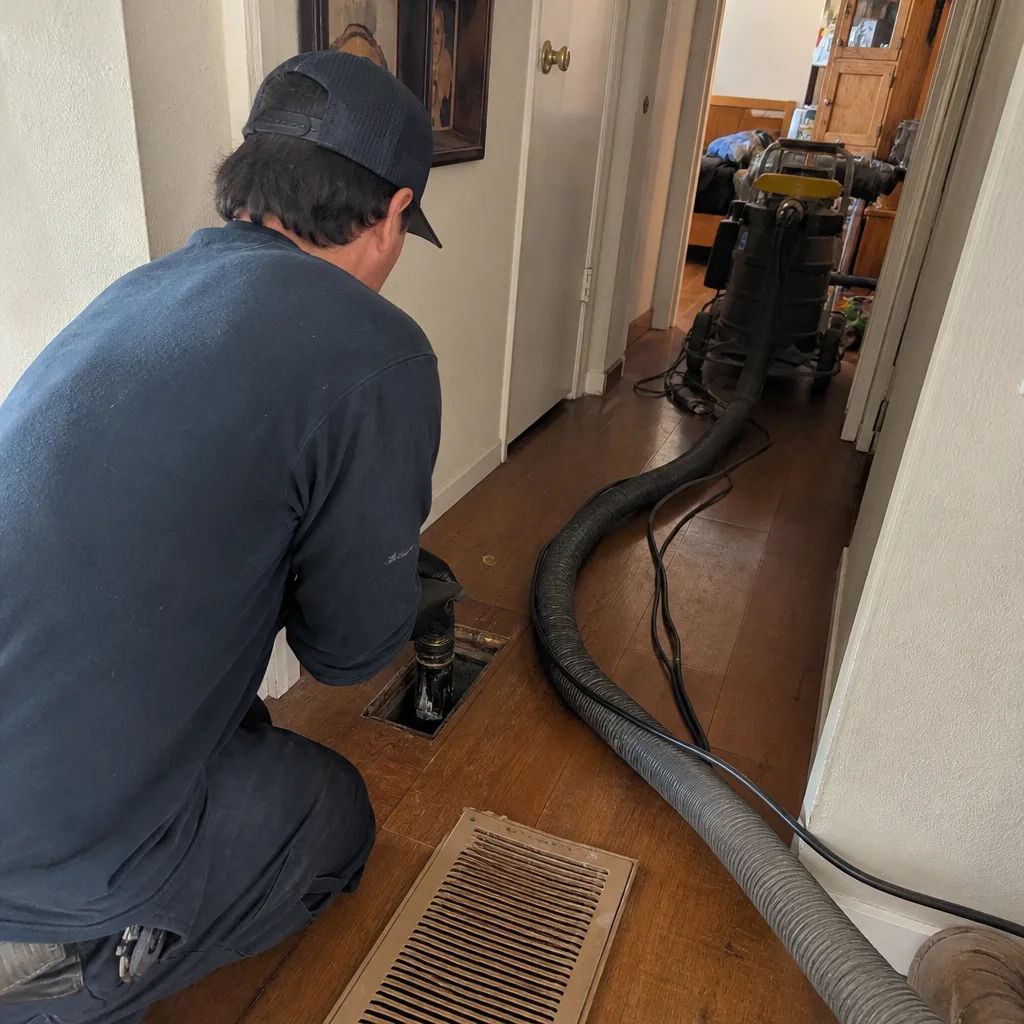
 Whole-home duct cleaning
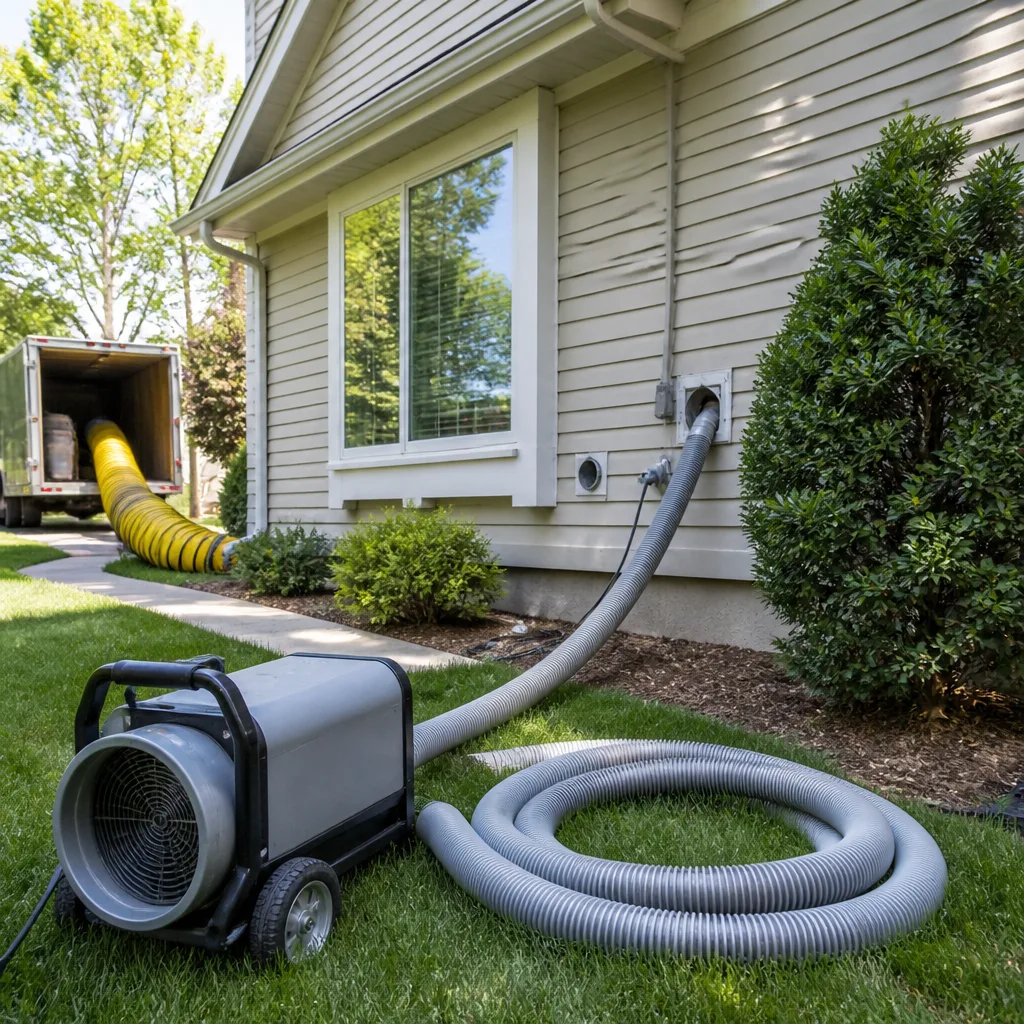
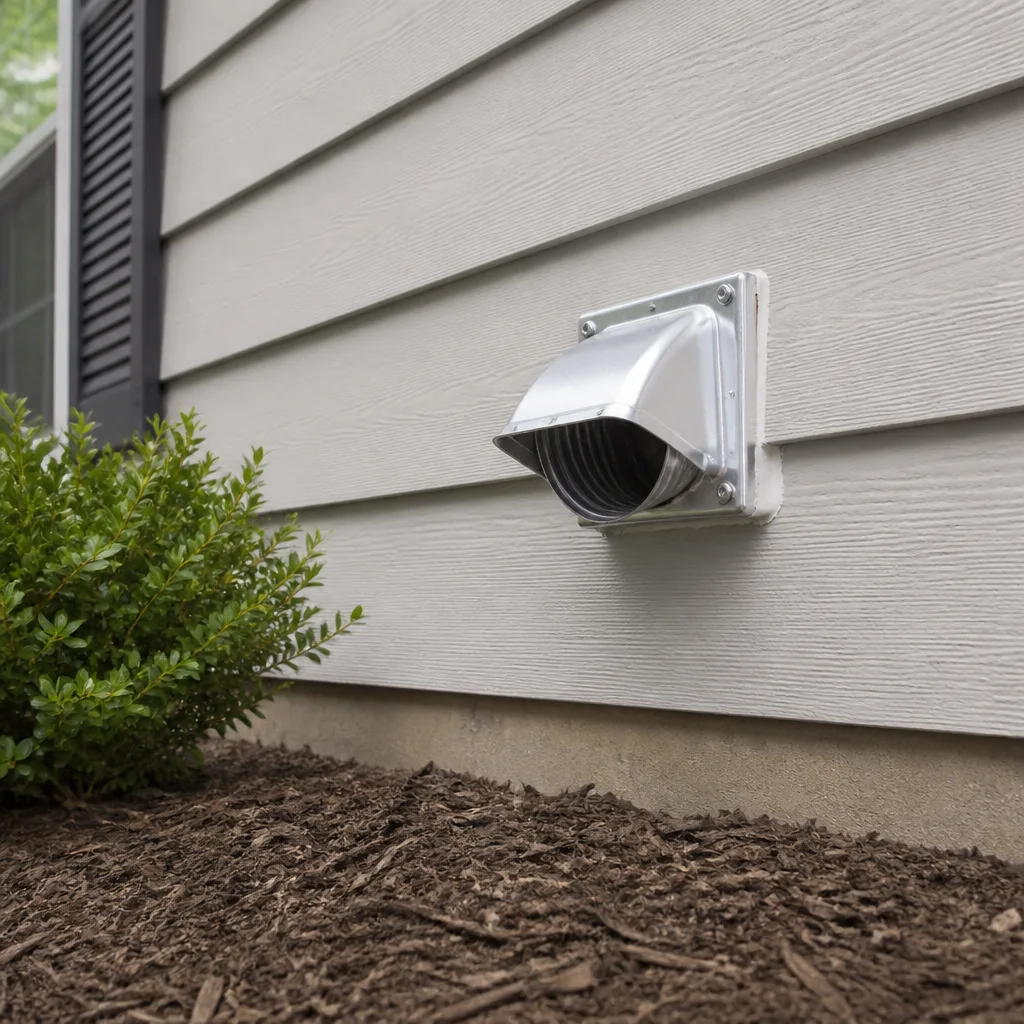 Dryer vent cleaning
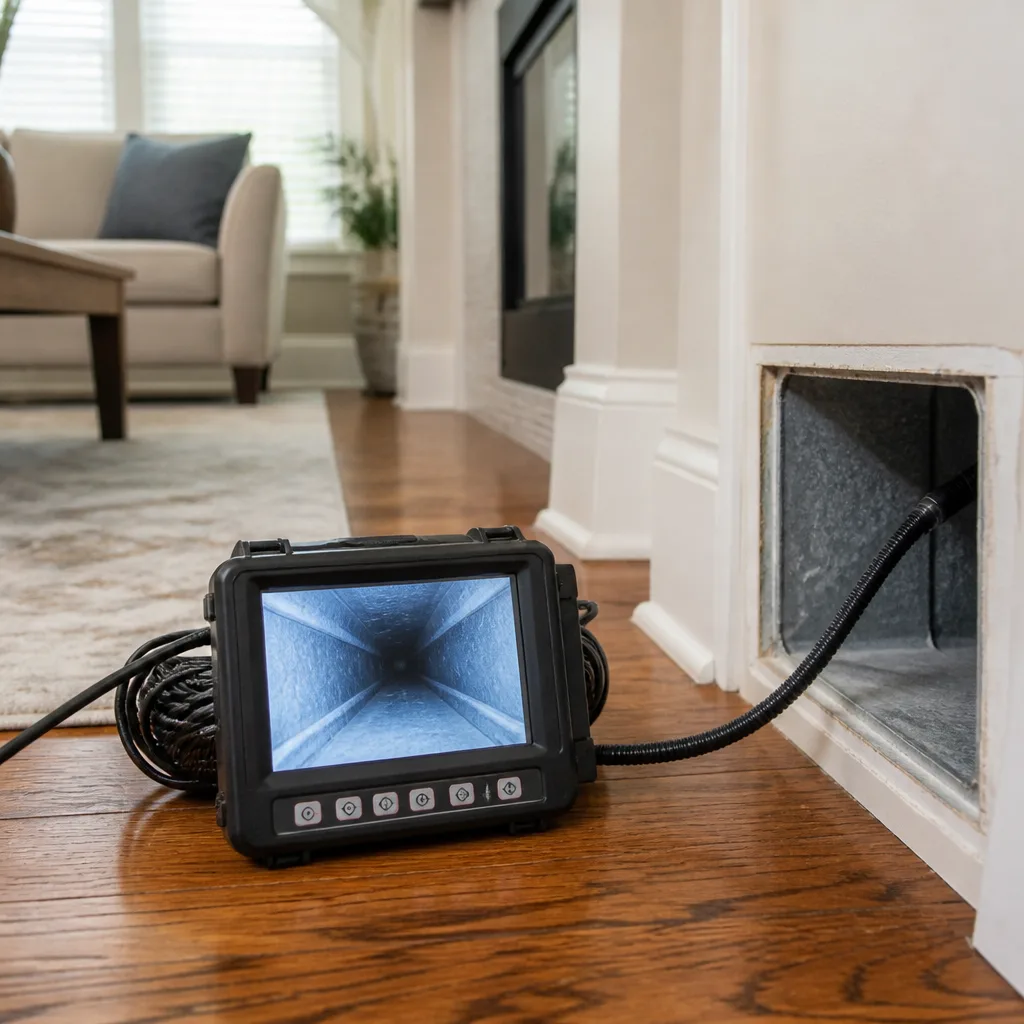 Camera inspection
 Sanitizing & deodorizing
Whole-system duct and dryer vent check with before-and-after photos - you see exactly what came out of your vents
That "$99 whole-house special" is a bait ad - the real number appears once they are in your hallway, or the "clean" is a shop-vac at the register. We photograph the inside of your ducts before and after instead.
Air Duct Cleaning Emergency Preparedness Guide for Chico Homes
Most homeowners think about their ducts only when something smells wrong or a filter looks gray. But in Chico, the bigger risk is what happens to a duct system in the hours before a wildfire evacuation order. Smoke doesn’t wait for you to seal a window. It rides the return-air path into the ducts, coats the inside of every run, and then gets pushed back into living rooms the moment the HVAC fan kicks on. We’ve learned that duct preparedness in Chico is wildfire preparedness. This guide walks through what to do during a smoke event, how to triage your system afterward, and how to document the whole thing for an insurance claim. Read it before fire season, not after.
Quick Answer
The most important thing you can do during a nearby wildfire is shut the HVAC system off and block the fresh-air intake, then seal registers temporarily with plastic and tape. After the smoke clears, replace filters, but only rely on that if you saw no visible ash inside the return. Wildfire ash contaminates duct interiors more deeply than ordinary dust, and a full professional cleaning is often the only way to remove it. Document everything with photos for insurance.
Styles & brands we work with
- Whole-home duct cleaning
- Dryer vent cleaning
- Camera inspection
- Sanitizing & deodorizing
Table of Contents
- What to Do During a Smoke Event
- Post-Event Triage: Do You Need Professional Decontamination?
- Why Wildfire Ash Isn’t Just Dust
- Documenting for Insurance: What Adjusters Want to See
- Pre-Fire-Season Preparation
- Building a Duct Emergency Kit
- What Professional Decontamination Actually Involves
What to Do During a Smoke Event
During an active smoke event like those Chico has become familiar with, the goal is to stop smoke from entering the system and stop the fan from spreading it. A running HVAC system pulls air through the return and redistributes it. If the outdoor air intake is open, that intake becomes a direct pipe for smoke into every room. This is why shutting the system down early matters more than most people realize.
Numbered steps for the first hour
- Turn off the HVAC at the thermostat and at the breaker if you can access the panel safely. The thermostat alone is usually enough.
- Close the outdoor fresh-air intake. On many systems there’s a damper at the intake grille; close it. If you can’t find the damper, tape plastic over the exterior intake grille.
- Seal supply and return registers with plastic sheeting and painter’s tape as a temporary barrier. Do not seal over a running system; the fan must be off first.
- Close all windows and doors. Run portable air purifiers if you have them, and avoid running bath and kitchen exhaust fans, which pull air from outside.
- Take photos of the sky, the visible smoke, and a calibrated outdoor air reading if you have a monitor. This becomes insurance evidence later.
If you must evacuate, take a photo of your thermostat, intake damper, and sealed registers before you leave. Chico homeowners who evacuated during past events have told us the photos made their claim review much simpler than a verbal description. The point isn’t drama; it’s the paper trail.
One more note: if you have a duct system that hasn’t been cleaned in years, the filter and return may already be loaded with dust. Smoke clings to that dust. If your ducts were overdue for cleaning in Chico before a smoke event, they’ll be severely overloaded after. That’s a strong argument for cleaning before fire season, not after.
Post-Event Triage: Do You Need Professional Decontamination?
Once the smoke clears and air quality returns to normal, the question is whether you need a full duct cleaning or just a filter change. The honest answer depends on visible evidence and how long the system ran during the event. Here’s how we walk homeowners through triage in Chico.
Start with these checks
- Pull the return filter and look at it. A light gray film is normal. A dark, sticky, or visibly ashy layer means smoke made contact.
- Shine a flashlight into the return plenum (the first few inches past the filter rack). Visible ash or soot streaks mean the contamination passed the filter.
- Wipe a white cloth inside one supply register. If the cloth comes up gray, the system needs more than a filter.
- Smell the air for 30 seconds after running the fan. A persistent campfire or acrid smell after the filter change is a strong signal.
- Check the allergy and asthma response in the household. If symptoms spike after you restart the system, treat that as a data point.
When a filter change is probably enough
If the system was shut down before smoke entered, the filter caught everything, and the return shows no ash, a fresh filter and a wiped register may be all that’s needed. Replace the filter, run the fan for an hour with windows closed, then check the new filter. If it stays clean, you’re likely fine.
When you need professional cleaning
If any of the triage checks above show ash, soot, or persistent odor, a full air duct cleaning is the right call. Wildfire particulate doesn’t behave like dust. It clings to duct walls, and a shop-vac and a new filter won’t lift it. Professional equipment with contained capture is what removes it without re-aerosolizing it into the house.
Why Wildfire Ash Isn’t Just Dust
Wildfire ash is chemically different from household dust. It contains fine particulates, charred organic material, and often the residue of burned building materials. When it settles in a duct, it doesn’t sit inertly. Every time the fan runs, a portion of it lifts and circulates. That’s why we treat post-fire duct cleaning as a health and cleanup job, not a cosmetic one.
The particles that matter most are the smallest ones. They behave like smoke itself; they stay airborne for a long time and travel deep into the system. A standard consumer vacuum will lift some of it and push the rest back into the room through the exhaust. That’s the opposite of what you want.
This is where professional equipment changes the outcome. Rotobrush and Nikro systems are purpose-built for this: agitation tools dislodge the material from duct walls and a contained vacuum pulls it out of the system rather than recirculating it. We also use Abatement Technologies filtration on residential jobs, which captures dislodged particulate at the source – a containment standard usually saved for remediation work. The practical difference for a Chico homeowner is that the duct interior ends the job cleaner than it started, and the air the system pushes back into the room isn’t carrying the ash it just removed.
Dust from summer pollen and ordinary household life is annoying. Wildfire ash, particularly after a fire event in the Chico area, is a different category of contaminant. Treating the two the same is the most common mistake we see.
Documenting for Insurance: What Adjusters Want to See
Insurance claims for smoke damage to a duct system succeed or fail on documentation. Adjusters can’t see inside your ducts, so they rely on your photos, your readings, and a written invoice. Here’s the documentation sequence that gives you the strongest file.
What to capture before cleaning
- Exterior photos during the smoke event: sky, visible smoke, ash on outdoor surfaces, and your HVAC intake area.
- Thermostat and intake damper photos showing the system was shut down during the event.
- Filter photos with a date stamp. Show the filter before and after replacement.
- Close-up photos of ash inside the return and any visible register interior.
- Indoor air quality readings if you have a monitor; note the date, time, and reading.
- Receipts for any filter or air purifier purchases made in response to the event.
What to capture after cleaning
- A written invoice from the contractor itemizing the work. A one-line “duct cleaning $X” invoice is weaker than one that lists the actual services performed.
- Before-and-after photos of the ducts, taken by the contractor, showing the interior of the return and at least one supply run.
- If you had professional air quality testing done, the report.
One detail that matters in Chico: many homeowner policies treat wildfire smoke cleanup differently depending on whether the structure is inside a declared disaster area, and the rules can shift by insurer. Keep your documentation organized in a single folder so you can hand a clean file to your adjuster without scrambling for receipts.
Pre-Fire-Season Preparation
The easiest way to survive a smoke event is to start before it. Spring is the right window in Chico because the pollen load has dropped but fire season hasn’t arrived. Here’s a numbered preparation sequence we’ve found makes a real difference.
- Schedule a duct cleaning in April or May so you start fire season with a clean system. Ash clings to dust; no dust means less to cling to.
- Replace the filter with your highest-rated furnace filter and buy a spare or two. Store the spares in a labeled bag so they’re easy to find.
- Locate and label your outdoor fresh-air intake damper. A piece of masking tape with an arrow is enough.
- Pre-cut plastic sheeting for each register and store it with painter’s tape in a labeled box. This is the single biggest time-saver when smoke arrives.
- Buy or borrow a portable HEPA air purifier and know which room you’ll run it in.
- Have your dryer vent cleaned in the same appointment. Dryer vents are a leading residential fire cause, and smoke events remind us that proactive safety work is worth the appointment. It’s also on the same dryer vent cleaning visit if you book them together.
- Photograph your duct system now, before any contamination. A pre-event baseline makes an insurance claim far simpler.
If you have any duct damage (a disconnected run, a crushed flex line, a poorly sealed register boot), get it repaired before fire season. Leaky ducts let smoke bypass the filter entirely. That repair is one of the services we handle directly, so a spring visit can cover cleaning, inspection, and repair together.
Building a Duct Emergency Kit
A dedicated bin that lives in the garage or utility closet changes the whole experience of a smoke event. The first hour matters, and you don’t want to be hunting for tape at 3am. Here’s a list that covers the basics without over-buying.
- Rolls of painter’s tape (two, so you have spares)
- A pre-cut stack of plastic sheeting sized to your largest register
- Two spare furnace filters in the right size for your system
- A pair of work gloves and a flashlight with fresh batteries
- N95 respirators for each adult in the household
- A small notebook and pen for recording dates, times, and observations
- Phone charger and a spare battery pack
- A printout of your HVAC make, model, and filter size
Don’t over-engineer the kit. The point is to give yourself the tools to close the system quickly, protect your lungs, and document. A flashlight, tape, plastic, and a spare filter handle 90 percent of what an emergency requires.
If you rent in Chico, put together the same kit and send your landlord a short note about the plan. Rental-property owners who we work with appreciate knowing their tenants can secure the system during an event without waiting for a call back.
What Professional Decontamination Actually Involves
If you’ve decided the system needs professional cleaning, here’s what a proper job looks like so you can tell the difference between a thorough decontamination and a quick blow-through. The difference is entirely about equipment and containment.
The equipment that matters
- Rotobrush and Nikro systems are contractor-grade and purpose-built for duct cleaning. They agitate the duct wall mechanically and capture what’s dislodged, instead of pushing it around.
- Abatement Technologies filtration is the containment layer. It captures fine particulate at the vacuum source so it doesn’t recirculate into the room.
- Honeywell and Aprilaire IAQ products are the next step. If a system is running a coarse filter, upgrading to a finer one reduces how deeply a future smoke event penetrates.
- Guardsman-line products handle the finish work in a way that signals a job is done to a standard rather than just to a time budget.
The steps of a proper job
- Inspection: the technician photographs the return, the plenum, and each accessible run before any work begins.
- Containment: the vacuum and filtration equipment is connected at the main trunk so dislodged material has one destination.
- Agitation: each run is cleaned with the Rotobrush or Nikro tooling.
- Repair (if needed): a disconnected or damaged run discovered during cleaning is fixed on the spot.
- Verification: after photos are taken, the filter is replaced, and the system is restarted with a clean bill of health.
The whole point is that one visit covers cleaning, safety, and repair if anything needs it. That’s why we position the work as three services under one roof – duct cleaning, dryer vent cleaning, and duct repair. If you also want the dryer vent checked, that’s a separate safety item that shares the same visit.
Common Mistakes to Avoid
- Running the HVAC during an active smoke event. The fan pushes smoke from the intake to every room in minutes. Turn the system off before you do anything else.
- Assuming a filter change is enough after visible ash. A new filter catches what’s in the air, not what’s already coating the duct walls. Read the triage section and check the return yourself before deciding.
- Using a shop-vac on a contaminated duct. Consumer vacuums lift some of the ash and exhaust the rest back into the room. That’s worse than leaving it alone.
- Skipping photos. Chico homeowners who file a smoke claim without photos end up describing the event verbally, which slows the claim. Shoot the photos on day one.
- Sealing registers over a running system. Tape plastic only after the fan is off. Sealing a live system can stress the blower and push air into gaps you didn’t know existed.
- Waiting until fall to schedule cleaning. In Chico, fire season overlaps with the busiest months for duct cleaning. A spring appointment keeps you out of the queue.
- Ignoring the dryer vent. The same event that stresses your ducts is a good reminder to check the dryer vent, a leading residential fire cause. It’s one visit and it’s a safety outcome, not a comfort upgrade.
See the difference
 Before
 After
 Before
 After
 Before
 After
When to Call a Professional
Call us if you see visible ash inside the return or register, if a musty or acrid smell persists after a filter change, if anyone in the household has asthma or allergies that spike after the fan runs, or if you had a fire event nearby and want the system inspected before you trust it. We’ve handled dryers that took two cycles to dry a load and duct systems that had been silently leaking behind drywall for years. If you’re unsure, that’s fine – air duct cleaning starts with an inspection, not a sales pitch. We’ll tell you if a filter change is enough. Duct Cleaning Chico offers free estimates in Chico. Call (866) 942-5531. We answer 24/7. Fast dispatch from 7am to 7pm, Sunday through Friday.
Frequently Asked Questions
Typical whole-system air duct cleaning in Chico runs roughly $350 to $700 for a standard single-family home, with larger or heavily contaminated systems on the higher end. You get one flat price per system agreed before work starts, not per-vent pricing. Call (866) 942-5531 for an exact quote; estimates are free.
Low teaser quotes usually cover one opening and a surface pass with a shop-vac, not the whole system. That’s why the final invoice can come in far higher than the coupon once a technician is on site. Ask what equipment is used, how many runs are covered, and whether before-and-after photos are included. One flat price per system is the honest structure.
You should receive before-and-after photos of your own ducts, not stock images, plus a written invoice itemizing the work. Any reputable contractor will provide both without being asked. If it’s not offered, ask before booking.
Most homes need a cleaning every three to five years, but wildfire seasons can shorten that. If your home has been through a smoke event with visible infiltration, an inspection after the season is worth the appointment.
Sometimes that’s all you need, if the HVAC was shut down before smoke entered and the return shows no ash. If you see ash or smell smoke after a filter change, you need a full cleaning. When in doubt, inspect the return before you rely on a filter.
We answer 24/7. A call outside dispatch hours is booked into the next opening, Sunday through Friday, 7am to 7pm. We are closed on Saturday. Fast dispatch from 7am to 7pm – call (866) 942-5531.
Yes – duct cleaning, dryer vent cleaning, and air duct repair are our three services, so one visit can cover all three. That matters if a cleaning turns up a disconnected run or a damaged register boot.
The Bottom Line
Wildfire smoke makes duct preparedness a real category of emergency planning in Chico, not an afterthought. During an event, shut the HVAC off, close the intake, and seal the registers. After the event, triage the return with a flashlight before you trust a filter change alone. Document everything with photos for insurance. And do the spring prep work – cleaning, spare filters, a ready emergency kit – while fire season is still a future date. If any of it points to a system that needs professional cleaning or repair, we’re one call away. Duct Cleaning Chico handles cleaning, dryer vent cleaning, and repair on the same visit using Rotobrush, Nikro, and Abatement Technologies equipment. Call (866) 942-5531. We answer 24/7. Fast dispatch from 7am to 7pm, Sunday through Friday. Estimates are free, and the price is set per job by the written estimate before any work begins.
Written by the team at Duct Cleaning Chico.